Start here
Is the biggest city always the capital?
How this version works
- Same sessions and same goals as the class.
- One step at a time.
- Short texts with a Listen button.
- Key words in yellow.
- Answers are hidden: click to check.
Your road map
Session 1: Water First, Cities Next
Goal: Understand why cities grew near water.
Recap
Step 1Click the right answer.
Look at the engraving
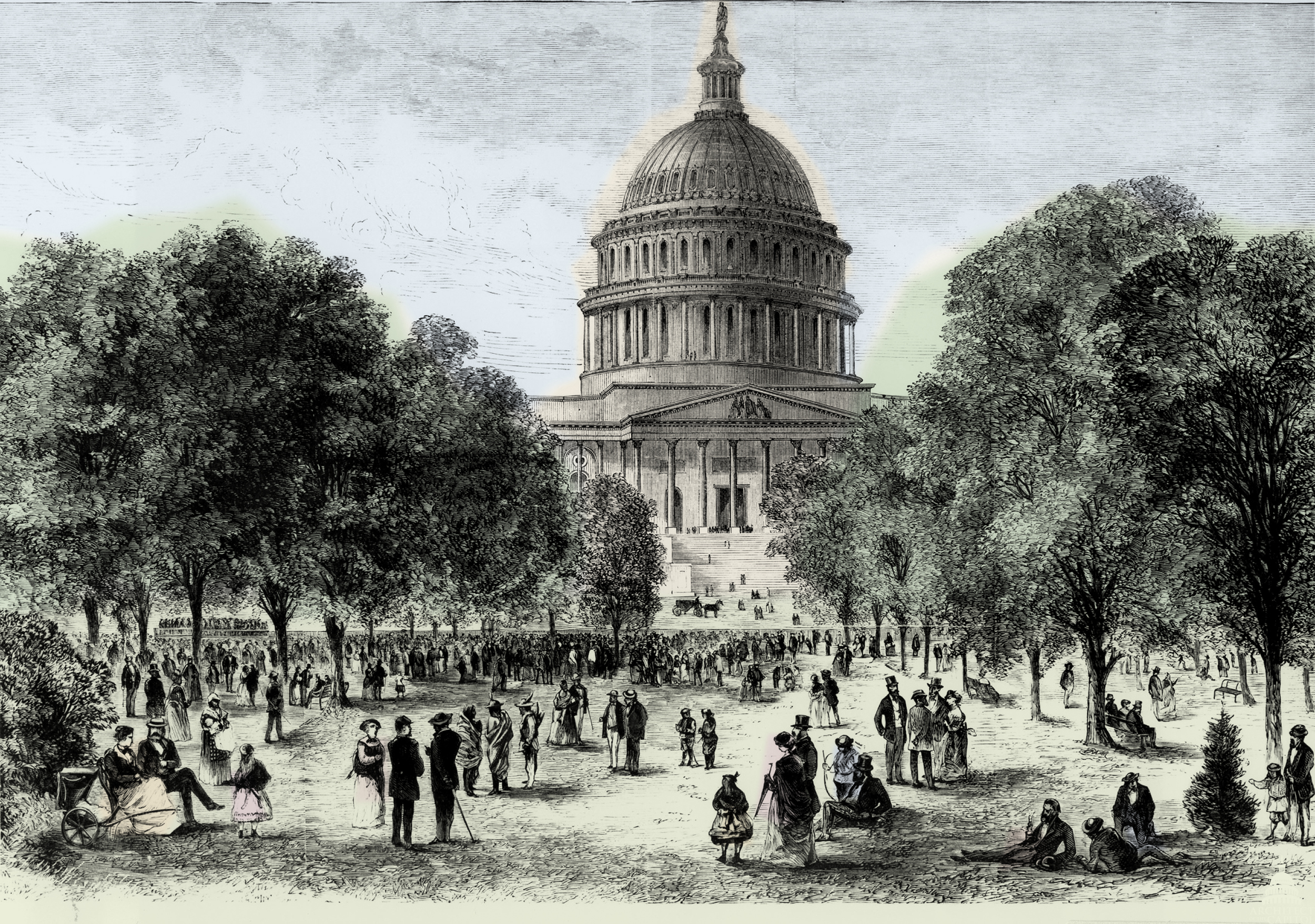
Step 1Look at the engraving at the top of the page.
Step 2Read the first line under it.
Step 3Answer: where is the scene?
The engraving was published in 1870. The Capitol is where the United States Congress meets.
Read: water first, cities next
Step 1Listen to the text. Then read it.
- Two hundred years ago, there were very few roads.
- People used to travel by boat.
- So the first big cities grew near water: the sea, a river, a lake.
- In 1825, a canal linked New York to the Great Lakes. New York grew very fast.
- Capitals were often chosen in the centre of the state.
Answer the question.
Map search
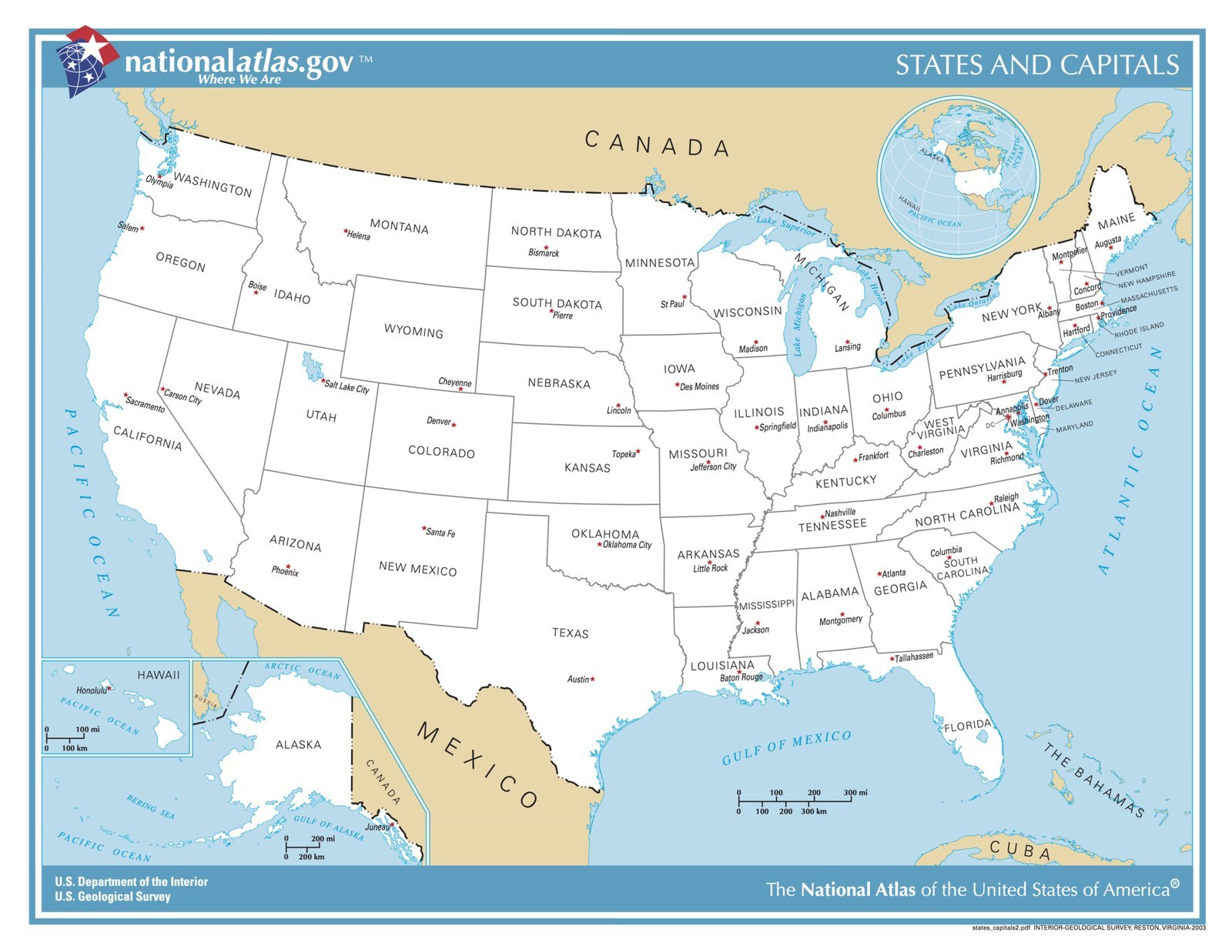
Find California on the map.
Step 2Find its capital. It is in bold.
Step 3Say the sentence.
- The capital of California is…
- It is not far from…
- It is on the banks of…
Answer key
The capital of California is Sacramento. It is on the banks of the Sacramento River, not far from San Francisco.
Homework
Learn 5 words: road, boat, harbour, capital, centre. Write 3 sentences: “… is not far from …”.
Oral option: say your 3 sentences to a classmate or record them (1 minute).
Session 2: The Capital Trap
Goal: Compare a big city and a capital.
Recap
Step 1Click the right answer.
Story: Inès and the map
Step 1Listen to the story.
- Inès is in Austin, in Texas.
- She thinks the capital of Texas is Houston.
- But the capital is Austin.
- Houston is bigger: it has a port, oil and business.
- Austin was chosen in 1839 because it is in the centre.
Answer.
Grammar: compare
Step 1Read the rule.
| Rule | Example |
|---|---|
| twice as big as | Houston is more than twice as big as Austin. |
| much smaller than | Albany is much smaller than New York City. |
Complete with the word bank.
- Houston is more than ______ as big as Austin.
- Sacramento is ______ smaller than Los Angeles.
- Albany is not as big ______ New York City.
Answer key
- twice
- much
- as
Pronunciation: -ate
Step 1Listen and repeat.
| /eɪt/ verbs | /ɪt/ nouns |
|---|---|
| to relocate, to debate | the Senate, a candidate |
Homework
Write 2 sentences to compare two French cities. Use “much bigger than” and “twice as big as”.
Oral option: say your 2 sentences (30 seconds).
Session 3: A Capital Built for a Deal
Goal: Explain why Washington, D.C. was built.
Recap
Step 1Click the right answer.
Read: Washington, D.C.
Step 1Listen. Then read the 5 facts.
- After independence, the USA had no permanent capital.
- In 1790, the North and the South made a deal.
- The capital was built in the South, on the Potomac River.
- It was named after George Washington.
- Congress met there for the first time in 1800.
Answer.
America Faceted
Step 1Listen. Then read the 6 facts.
- The USA has 50 states.
- Each state has its own laws and its own capital.
- The capital is often not the biggest city.
- The Constitution of 1787 holds the country together.
- It is the oldest written national constitution still in use.
- With federalism, Washington and the states share power.
Answer.
New words.
- federalism: Washington and the states share power
- to hold together: to keep parts united
The Juneau mystery
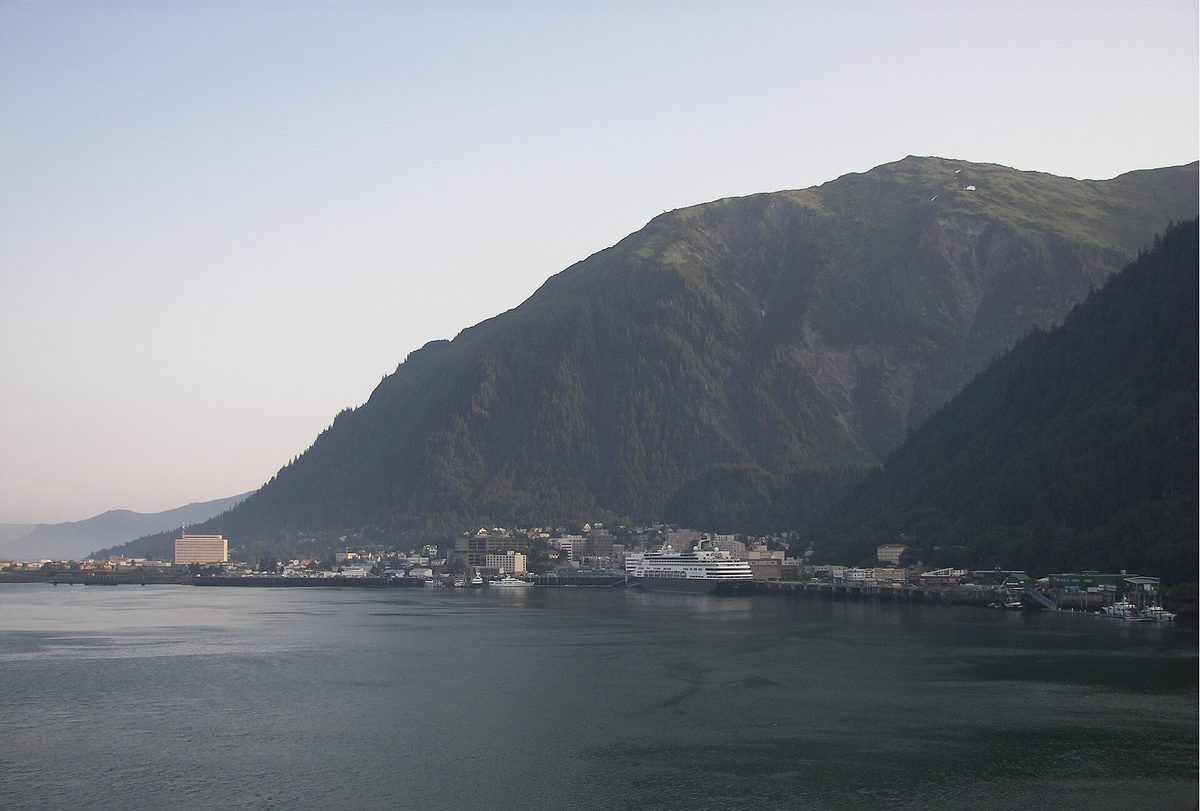
Look at the photo.
Step 2Say what is behind the city.
- Behind the city, there is a…
- In front of the city, there is…
Fact: you cannot drive to Juneau. You go by plane or by boat.
Answer key
Behind the city, there is a mountain. In front of it, there is water.
Grammar: the passive
Step 1Read the rule: be + past participle.
The city was built. It was named after Washington.
Step 2Choose.
Homework
Write 3 sentences about Washington, D.C. Use “was built”, “was named”, “was chosen”.
Oral option: say the 3 sentences (1 minute).
Session 4: Capitals by Compromise
Goal: Explain one Commonwealth capital to others.
Recap
Step 1Click the right answer.
Jigsaw: how it works
Step 1Read ONE country card with your group.
Step 2Keep 5 key words on a card.
Step 3Explain your country to your new group in 1 minute.
- In my country, the capital is…
- The biggest city is…
- It was chosen in… because…
Canada: Ottawa
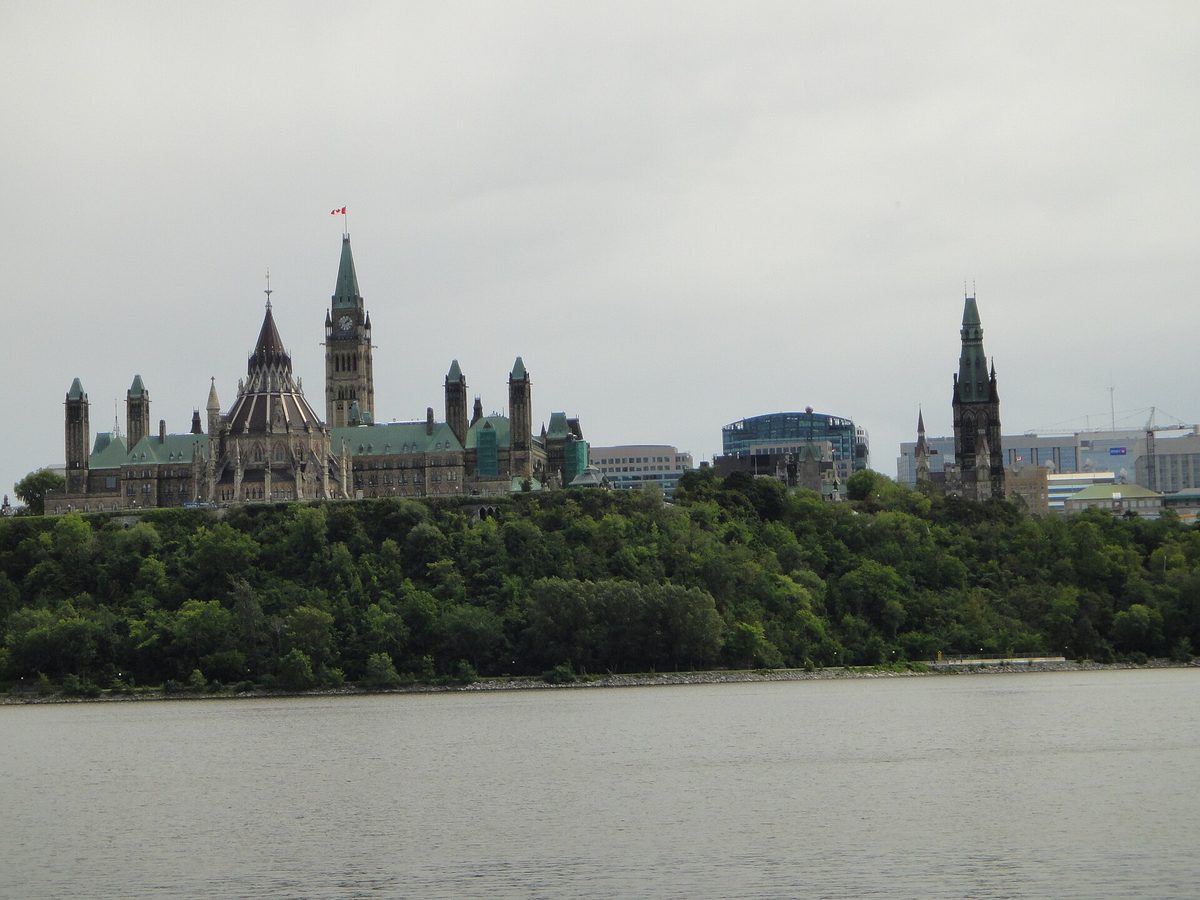
- Before 1857, Canada had no permanent capital.
- Toronto, Kingston, Montreal and Quebec City all wanted it.
- On 31 December 1857, Queen Victoria chose Ottawa.
- Ottawa was between the English-speaking part and the French-speaking part.
- Today Toronto is the biggest city. Ottawa is the capital.
| Capital | Biggest city | When? | Why? |
|---|---|---|---|
| Ottawa | Toronto | 31 December 1857 | A compromise between English-speaking and French-speaking Canada, far from the US border |
Australia: Canberra
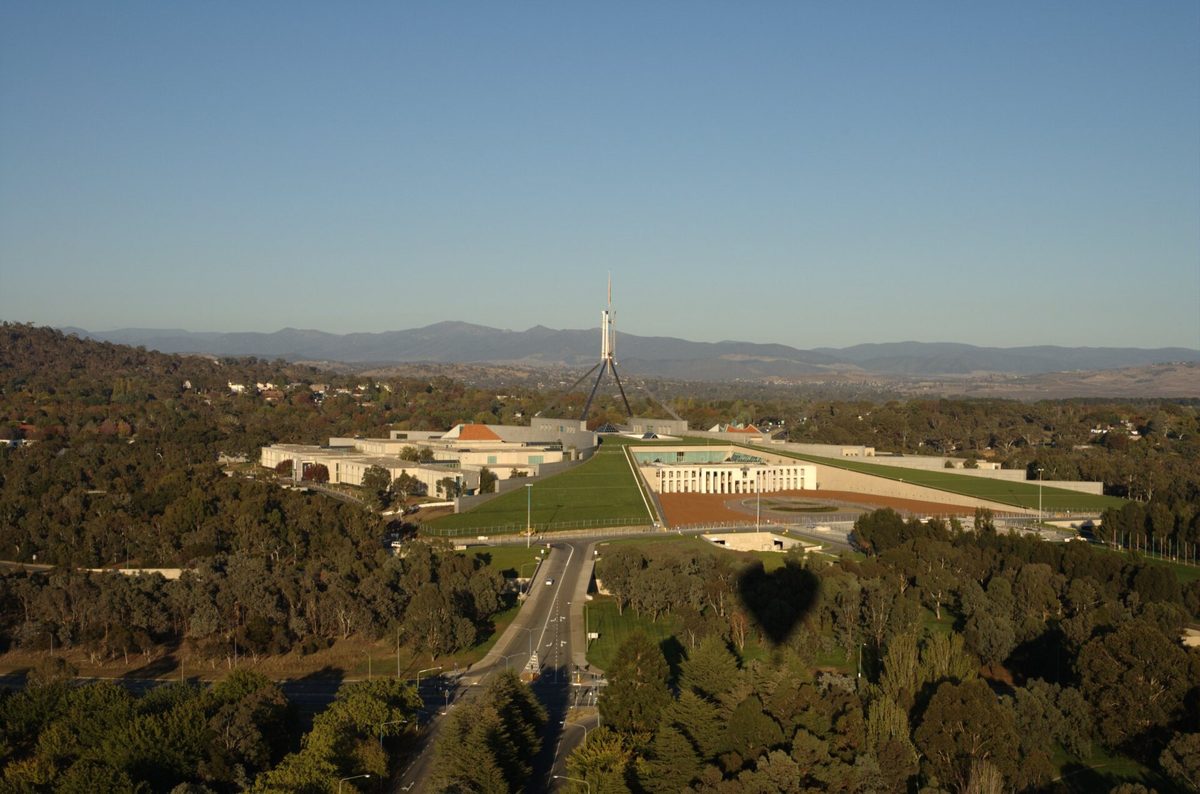
- In 1901, Australia became one country.
- Sydney and Melbourne both wanted to be the capital.
- The answer: a new city between them, Canberra.
- Until 1927, Parliament met in Melbourne.
- Parliament met in Canberra for the first time on 9 May 1927.
| Capital | Biggest city | When? | Why? |
|---|---|---|---|
| Canberra | Sydney | Chosen in 1908, Parliament there from 9 May 1927 | A compromise between Sydney and Melbourne |
New Zealand: Wellington
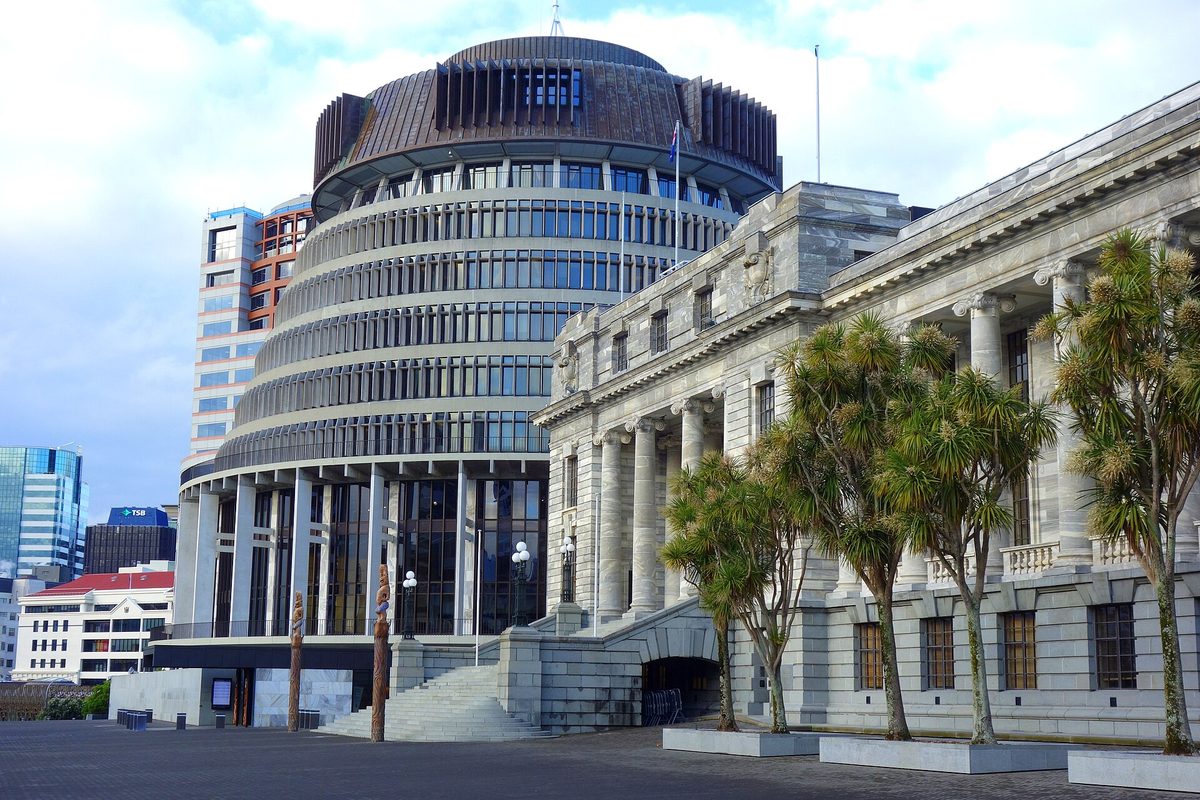
- From 1841, the capital was Auckland, in the north.
- The trip from the South Island was long, by sea.
- In 1864, three Australians chose a new capital: Wellington.
- Wellington is in the centre. It has a very good harbour.
- Today Auckland is the biggest city. Wellington is the capital.
| Capital | Biggest city | When? | Why? |
|---|---|---|---|
| Wellington | Auckland | 1864 (choice), 1865 (move) | A central position between the two islands and an excellent harbour |
South Africa: Pretoria, Cape Town and Bloemfontein
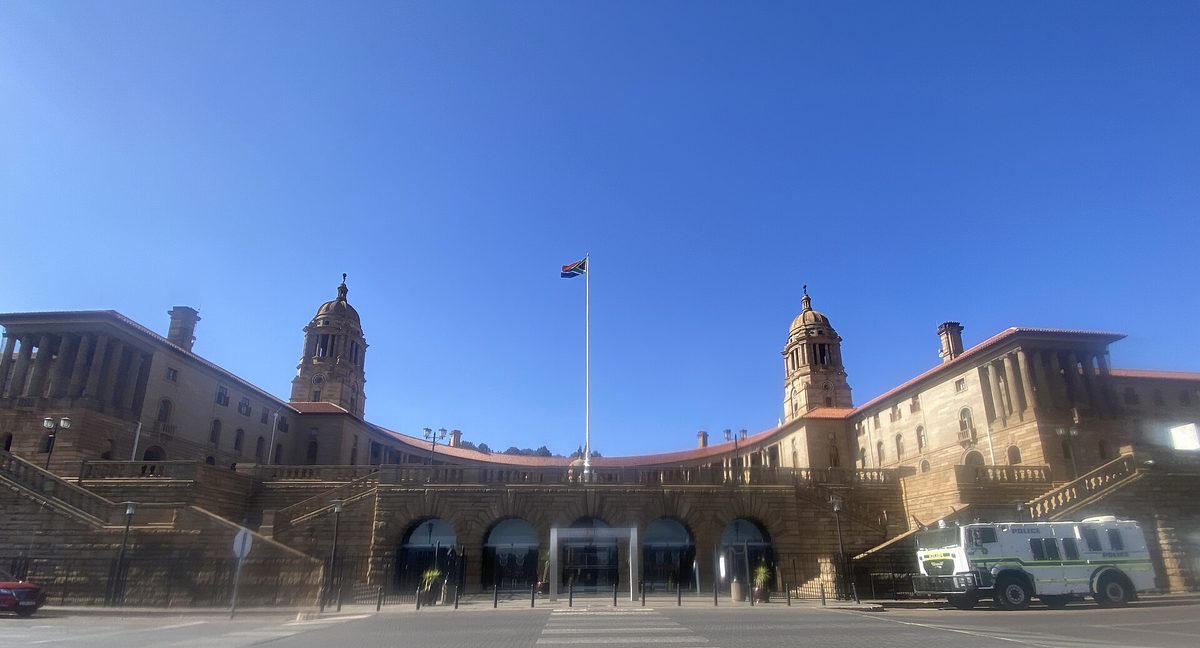
- In 1910, four colonies became one country: South Africa.
- They chose three capitals.
- Pretoria: the President and the government.
- Cape Town: Parliament. Bloemfontein: a high court.
- The biggest city is Johannesburg, the city of gold.
| Capital | Biggest city | When? | Why? |
|---|---|---|---|
| Pretoria, Cape Town and Bloemfontein | Johannesburg | 1910 | A compromise: each region got part of the power |
India: New Delhi
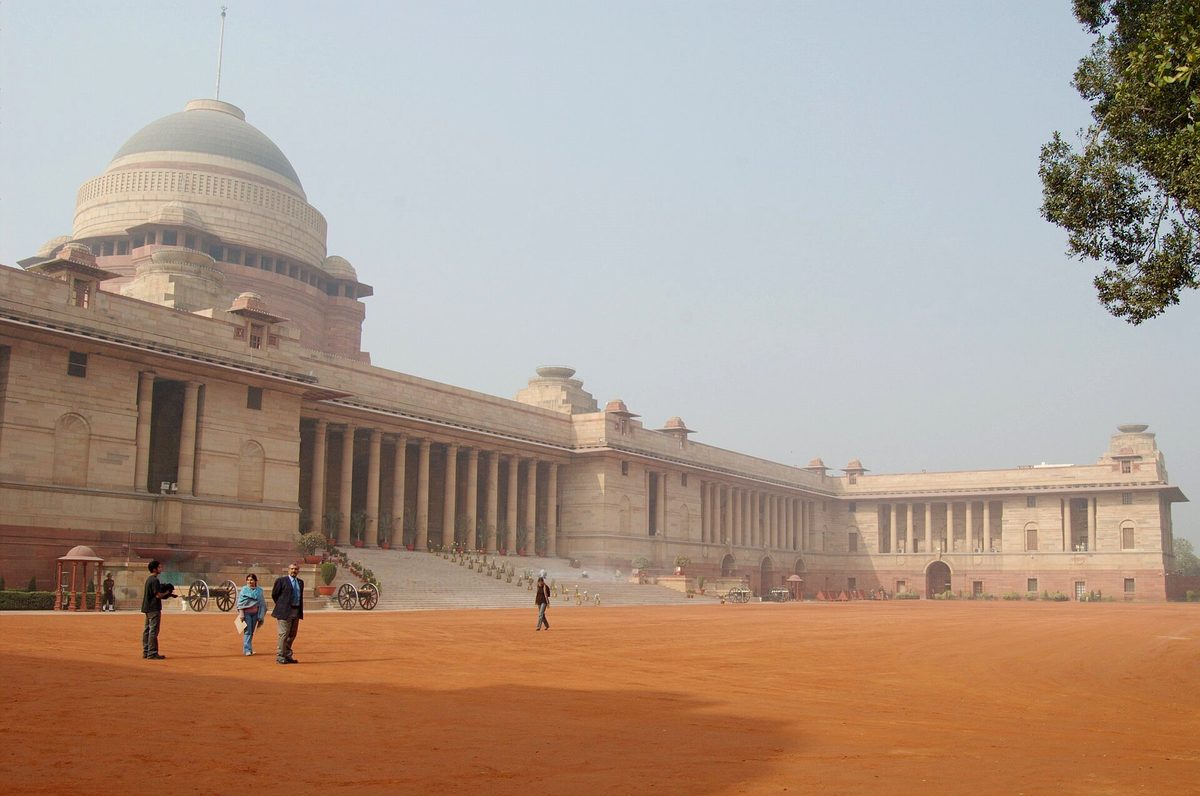
- Before 1911, the capital of British India was Calcutta (Kolkata).
- In 1911, King George V moved the capital to Delhi.
- British architects built a new city: New Delhi.
- In 1947, India became independent. New Delhi stayed the capital.
- Mumbai is the financial capital.
| Capital | Biggest city | When? | Why? |
|---|---|---|---|
| New Delhi | Mumbai | Announced on 12 December 1911, inaugurated in 1931 | Delhi was the historic seat of earlier empires; the British wanted a new imperial capital |
Nigeria: Abuja
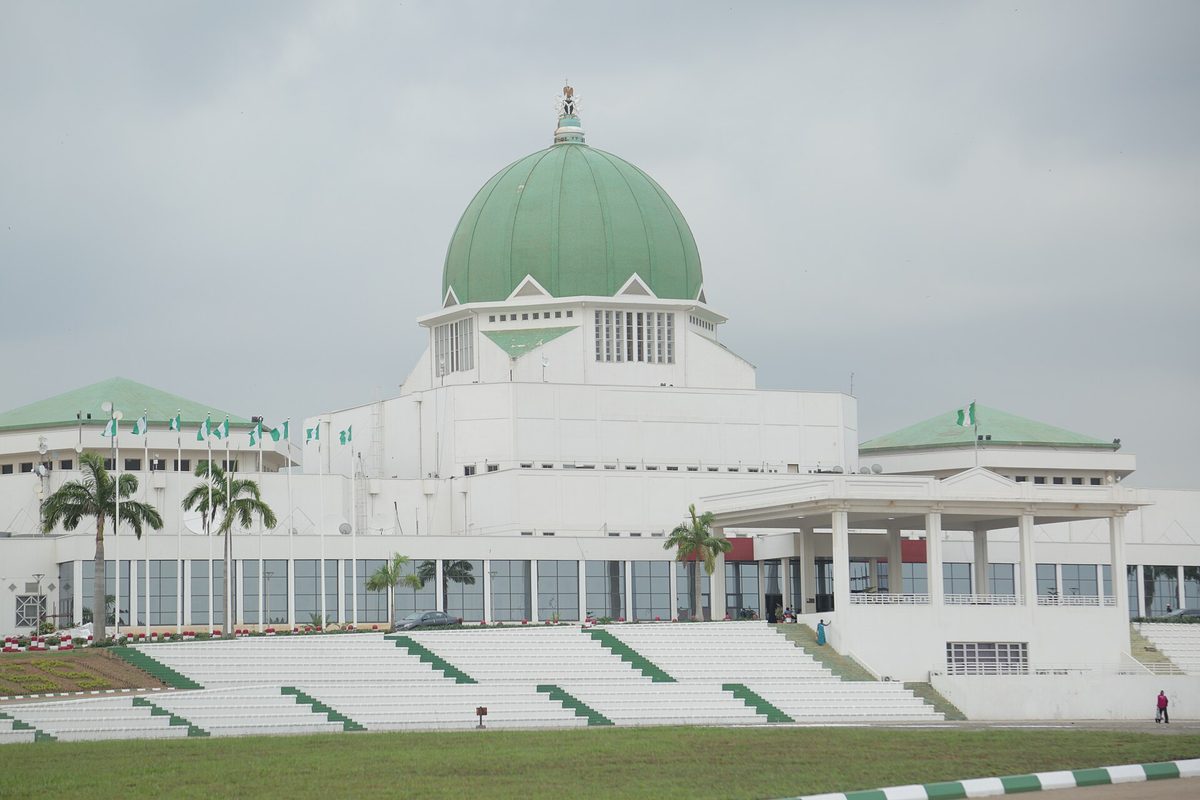
- In 1960, Nigeria became independent. The capital was Lagos.
- Lagos is on the coast. It was very crowded.
- In 1976, the government decided to build a new city in the centre: Abuja.
- The government moved to Abuja on 12 December 1991.
- Today Lagos is still the biggest city.
| Capital | Biggest city | When? | Why? |
|---|---|---|---|
| Abuja | Lagos | Decided in 1976, government moved on 12 December 1991 | A central, neutral place, easy to reach from every region |
Home group grid
Step 1Listen to each expert.
Step 2Write the capital and the biggest city.
| Country | Capital | Biggest city |
|---|---|---|
| Canada | ||
| Australia | ||
| New Zealand | ||
| South Africa | ||
| India | ||
| Nigeria |
Answer key
| Country | Capital | Biggest city |
|---|---|---|
| Canada | Ottawa | Toronto |
| Australia | Canberra | Sydney |
| New Zealand | Wellington | Auckland |
| South Africa | Pretoria, Cape Town and Bloemfontein | Johannesburg |
| India | New Delhi | Mumbai |
| Nigeria | Abuja | Lagos |
Homework
Finish the grid. Learn the 6 capitals.
Oral option: record a 1-minute audio about your expert country.
Session 5: One Commonwealth, Many Capitals
Goal: Understand what the Commonwealth is.
Recap
Step 1Click the right answer.
Read: the Commonwealth
Step 1Listen. Then read the 5 facts.
- The Commonwealth is a group of 56 independent countries.
- It was born in 1949.
- Most members used to be part of the British Empire.
- King Charles III is the Head of the Commonwealth.
- The USA became independent in 1776. It is not a member.
True or false?
Permanence or break?
Step 1Read the 2 words.
| Word | Meaning |
|---|---|
| permanence | something from the past that we keep |
| break | a new start |
Choose for each capital.
Grammar: used to
Step 1Read: used to + verb = before, not now.
Lagos used to be the capital. Now it is Abuja.
Step 2Complete.
- Auckland ______ the capital of New Zealand.
- Parliament ______ in Melbourne.
Answer key
- used to be
- used to meet
Homework
Write 3 sentences with “used to” about the capitals.
Oral option: say your 3 sentences (1 minute).
Session 6: Debate
Goal: Give your opinion with an example.
Recap
Step 1Click the right answer.
The question
Should a capital be the biggest city?
Choose your team: for or against.
Step 2Choose 2 arguments in the table.
Step 3Say each argument with an example.
Arguments
| For | Against |
|---|---|
| A big city already has airports, roads and hotels: it is easy for everybody to come. | A capital in the centre is fairer for all the regions: think of Abuja or Wellington. |
| Business, media and government in the same place save time and money. | A smaller capital keeps political power away from business power. |
| Building a new capital costs a fortune: Abuja was built from scratch over many years. | A new capital can avoid choosing between two rival cities, like Sydney and Melbourne. |
| Ambassadors and international organisations prefer a city that the world knows. | Moving government jobs out of a crowded city can reduce traffic and housing problems. |
- I think that…, because…
- For example, …
- Moreover, …
- I see your point, but…
Homework
Write your opinion in 4 sentences: I think… because… For example… But…
Oral option: give your opinion in 1 minute, at your desk or in a voice note.
Session 7: The Capital Trap Game
Goal: Play and prepare the final task.
Recap
Step 1Click the right answer.
The Capital Trap Game
Step 1Choose a round.
Step 2Read the question slowly.
Step 3Click your answer.
Guess the capital
Step 1Click “Next clue”.
Step 2Guess the capital.
Prepare the final task
Step 1Choose 2 capitals: one in the USA, one in the Commonwealth.
Step 2Fill the plan with key words.
| Part | My key words |
|---|---|
| Capital 1: when? why? | |
| Capital 2: when? why? | |
| My opinion |
Homework
Prepare your final task with the plan.
Oral option: rehearse your presentation twice, with a timer.
Final Task
Same task as the class, with adapted support. Spelling mistakes are not counted when the word is recognisable.
Option A: oral (2 to 3 minutes)
Step 1Use your plan with key words.
Step 2Present 2 capitals: one in the USA, one in the Commonwealth.
Step 3Say your opinion.
- Today I’m going to compare… and…
- … was chosen in… because…
- … is much bigger than…, but…
- In my opinion,…
Option B: writing (120 to 150 words)
Step 1Use the plan.
Step 2Write 3 paragraphs: capital 1, capital 2, my opinion.
Step 3Check: capital letters for names, past tense.
Assessment grid (adapted)
| Criterion | A2+ | B1 | B1+ |
|---|---|---|---|
| Content /8 | 2 to 4: one capital, a few facts | 5 to 6: two capitals, when and why | 7 to 8: two capitals, clear comparison and opinion |
| Language /6 | 1 to 2: simple words | 3 to 4: words of the unit, a comparison | 5 to 6: comparatives, passive, used to |
| Clarity /6 | 1 to 2: hard to follow | 3 to 4: clear with help | 5 to 6: clear, names well pronounced or well spelled |
Extra time: one third more. The teacher can read the instructions aloud.
Professeur
Pour le professeur
Version adaptée de la séquence de seconde générale, pour les élèves dyslexiques, dyspraxiques ou ayant des difficultés d’attention. Mêmes séances, mêmes objectifs et même tâche finale que la classe : l’élève travaille avec la classe, sur la même question.
- Police très lisible, interligne large, pas d’italique, une consigne par étape.
- Textes réduits à cinq phrases clés, avec un bouton d’écoute (voix anglaise du navigateur).
- Questions à choix avec correction immédiate, banques de mots, amorces de phrases.
- Devoirs avec une option orale ; tâche finale de 120 à 150 mots à l’écrit, 2 à 3 minutes à l’oral, grille sur 20 adaptée.
- Tiers-temps et lecture des consignes à voix haute si besoin. Les fautes d’orthographe ne sont pas comptées quand le mot est reconnaissable.