Introduction
Where are we going, and why?
Is the biggest city always the capital?
Why this unit?
Houston or Austin? Sydney or Canberra? Lagos or Abuja? All over the English-speaking world, the biggest city is often not the capital. Behind each choice, there is a story of rivers, roads, rivalries and compromises, and sometimes of empire and independence.
You will start in the United States, then travel to six countries of the Commonwealth. At the end, you will present your answer in a podcast or in an article.
Your road map
At the end of this unit, you will be able to: locate places precisely, compare with complex structures, tell the history of a capital with the passive, explain a document to others (mediation), and defend a point of view in a debate.
Session 1: Water First, Cities Next
Understand how transport shaped American cities.
Recap
What do you already know? Answer quickly, in English.
- What is the capital of the USA?
- What is the biggest city in the USA?
- Is Sydney the capital of Australia?
Answer key
- Washington, D.C.
- New York City.
- No: the capital of Australia is Canberra. Sydney is a much bigger city.
Look at the engraving 10 min
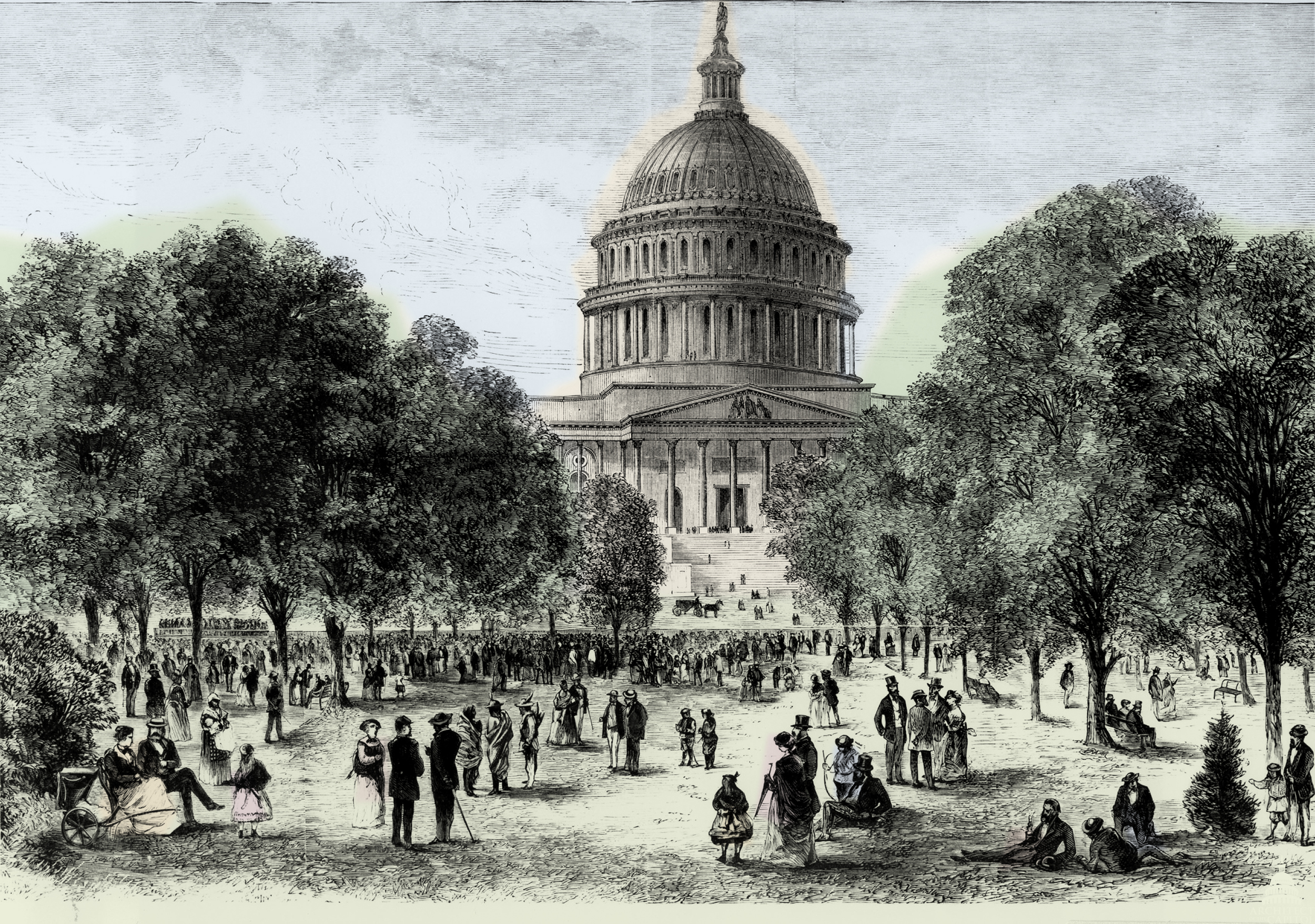
Look at the engraving at the top of the page and read its reference. Where does the scene take place? When was the engraving published? Which building represents political power?
- The engraving shows… It was published in 1870.
- In the foreground, I can see…
- In the background, I can see…
Answer key
The engraving shows people attending a concert on the Capitol grounds in Washington, D.C. It was published in Harper’s Weekly on 23 July 1870. The Capitol, where the United States Congress meets, represents political power. Washington, D.C., not New York City, is the capital of the USA.
Read: Water first, cities next 20 min
Two hundred years ago, there were very few roads in the United States. People and goods used to travel by water, so the first big cities grew where boats could stop: on the coast, on a river or on a lake. New York has a huge natural harbour; New Orleans stands near the mouth of the Mississippi; Chicago grew on Lake Michigan.
In 1825, the Erie Canal linked New York to the Great Lakes. Goods from the Midwest could now be carried by boat to the harbour of New York City, which grew faster than any other city in the country. Then railways were built across the continent in the 19th century, and highways followed in the 20th century, such as Route 66.
Transport shaped the map, but politics shaped the capitals. When Americans chose the capital of each state, they often avoided the biggest city. They wanted a place near the centre of the state, easy to reach for everybody, and sometimes far from the power of business. That is why Sacramento, not Los Angeles, is the capital of California, and Albany, not New York City, is the capital of New York State.
Check you understand
- Why did the first big cities grow near water?
- What changed in 1825? What was the consequence?
- Which two kinds of transport came after the canals?
- Explain the sentence “Transport shaped the map, but politics shaped the capitals.”
- Find two verbs in the passive in the text.
Answer key
- Because people and goods used to travel by water: there were very few roads.
- The Erie Canal linked New York to the Great Lakes; as a result, New York City grew faster than any other city.
- Railways, then highways.
- Big cities grew where transport was easy, but capitals were chosen for political reasons: a central position, easy access, distance from business power.
- “could be carried”, “were built”.
Map search 20 min
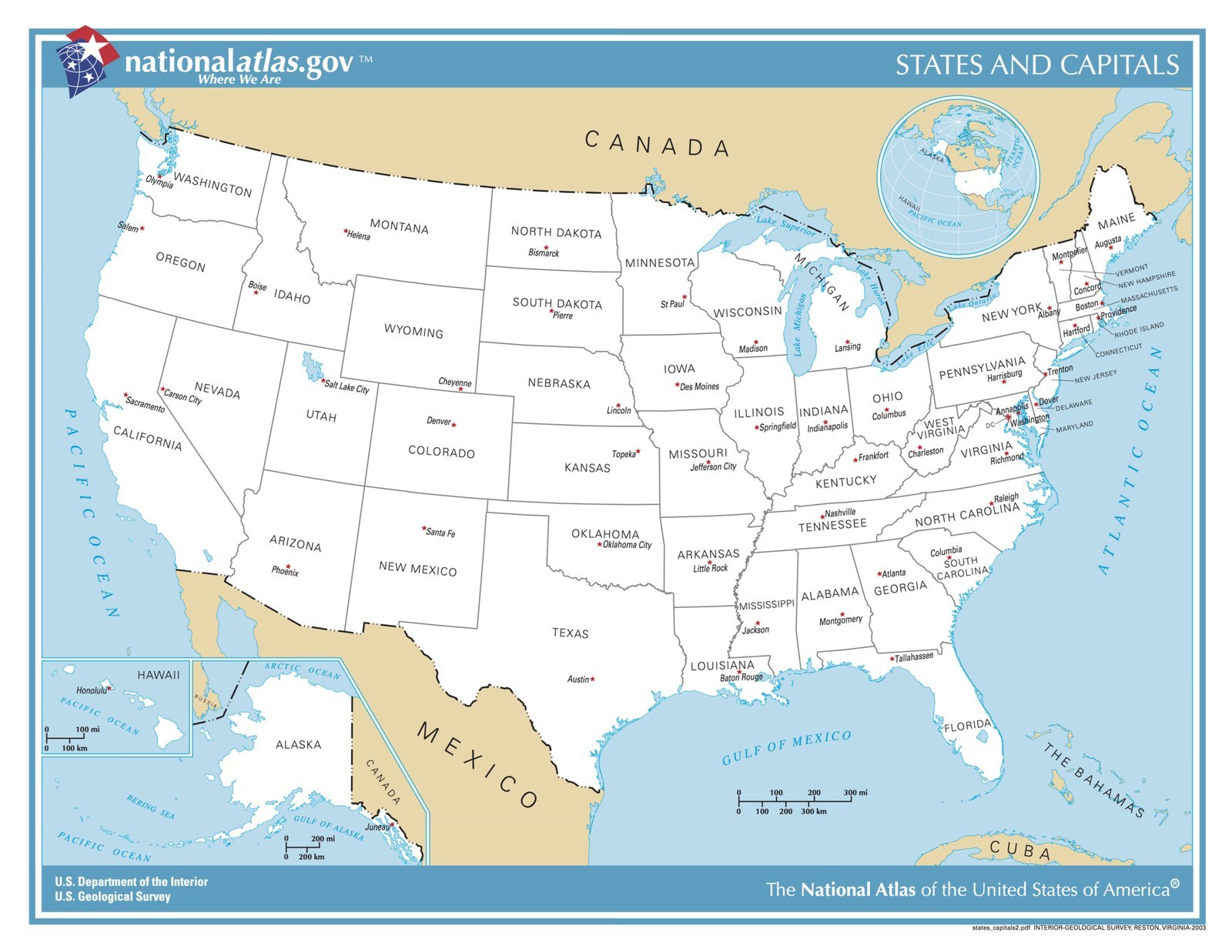
In pairs, find on the map: two state capitals that are much smaller than the biggest city of their state; a capital on a river; a capital on the coast; a state capital you cannot reach by road. Then locate each place precisely for your partner.
- It is located not far from…
- It lies at the far end of…, close to the border with…
- It stands on the banks of…, about … km from…
Answer key
Possible answers: Sacramento (California), Albany (New York State), Springfield (Illinois), Tallahassee (Florida); Albany is on the Hudson River, Sacramento on the Sacramento River; Juneau, Boston and Honolulu are on the coast; Juneau cannot be reached by road.
Homework
Learn the words of part 1 in the Language tab. Then write five sentences to locate five US cities precisely, with five different expressions (not far from, at the far end of, on the banks of, halfway between, north of).
Session 2: The Capital Trap
Compare big cities and capitals with precision.
Recap
Last session: water, transport and capitals.
- Why did the first big American cities grow near water?
- What did the Erie Canal link in 1825?
- Give one reason why a state capital is often a small city.
Answer key
- Because people and goods used to travel by boat.
- New York and the Great Lakes.
- A central position, easy to reach for everybody, or the wish to keep political power away from business power.
Story: Inès and the map 15 min
When Inès arrived in Austin for her exchange year, she was proud of her English and proud of her geography. On the first evening, at dinner, she said: “I’m so happy to be in Texas! Next weekend, I want to visit the capital, Houston.”
Her host brother laughed. “Houston? But you’re in the capital right now!” Inès turned red. How could the biggest city in Texas not be the capital?
After dinner, Mr Walker, her host father, opened an old map on the kitchen table. “Houston is near the Gulf of Mexico. It has a port, ships, oil and business. Austin is in the heart of Texas, on the Colorado River. In 1839, the leaders of the young Republic of Texas chose it because it was in the middle of the land they wanted to develop.”
That night, Inès wrote in her notebook: “A map is not a list of names. It is a story of rivers, roads and choices.”
Your turn
- What was Inès’s mistake, and why was it an easy mistake to make?
- Compare the reasons why Houston and Austin became important.
- Do you agree with Inès’s sentence? Give an example from France.
- Inès thought that…, whereas in fact…
- Houston grew thanks to…, while Austin was chosen because…
- I agree, because in France…
Answer key
- She thought Houston was the capital of Texas. It was an easy mistake because Houston is much bigger and more famous than Austin.
- Houston grew thanks to its port, oil and business; Austin was chosen in 1839 for its central position in the land the Republic of Texas wanted to develop.
- Open answer. Example: Lyon and Marseille grew on rivers and on the sea.
Grammar: comparing with precision 20 min
Read the figures, then compare the cities with the structures of part 3 in the Language tab: twice as big as, X times as big as, by far, nowhere near as… as, much smaller than.
| Biggest city | Population | State capital | Population |
|---|---|---|---|
| Los Angeles | 3.9 million | Sacramento | 525,000 |
| Houston | 2.3 million | Austin | 960,000 |
| New York City | 8.8 million | Albany | 99,000 |
| Chicago | 2.7 million | Springfield | 114,000 |
2020 United States census, rounded.
- … is more than … times as big as…
- … is by far the biggest city in…, yet…
- … is nowhere near as big as…, but…
Model answers
- Los Angeles is more than seven times as big as Sacramento.
- Houston is more than twice as big as Austin.
- New York City is almost ninety times as big as Albany: Albany is nowhere near as big as New York City.
- Chicago is more than twenty times as big as Springfield.
Pronunciation: the -ate ending 10 min
The same spelling, two sounds. Listen and repeat. When a word ending in -ate is a verb, the ending is usually stressed or clearly pronounced /eɪt/; in many nouns and adjectives it is reduced to /ɪt/.
| /eɪt/ (verbs) | /ɪt/ (nouns, adjectives) |
|---|---|
| to relocate, to separate, to debate | the Senate, separate (adjective), a delegate |
| to designate, to delegate | climate, private, a candidate |
Then practise the tricky names: Houston, Albany, Illinois, Arkansas.
Speaking: the capital trap in France? 10 min
In small groups: is the biggest city of each French region always its capital? Think of one example where it is and one where it is not. Present your two examples to the class in 30 seconds.
- In…, the biggest city is also the regional capital: …
- On the other hand, in…, the capital is…, whereas the biggest city is…
Homework
Exercise 1 in part 3 of the Language tab (complex comparatives). Then write three sentences comparing two French cities with three different structures.
Session 3: A Capital Built for a Deal
Explain why Washington, D.C. was built, with the passive.
Recap
Last session: Inès and the capital trap.
- What is the capital of Texas? And the biggest city?
- Complete: New York City is almost ninety times ___ big ___ Albany.
- How do you pronounce the end of the verb “to relocate”?
Answer key
- Austin is the capital; Houston is the biggest city.
- as… as
- /eɪt/
Read: a capital built for a deal 20 min
After independence, the young United States had no permanent capital. Congress met in several cities, including New York and Philadelphia.
In 1790, northern and southern leaders made a deal. The national government would take over the war debts of the states, as the North wanted, and the new capital would be built in the South, on the Potomac River, as the South wanted. The Residence Act of July 1790 gave President George Washington the task of choosing the exact site. He chose it in 1791, and the new city was named after him.
Until the new city was ready, Philadelphia served as the temporary capital, from 1790 to 1800. Congress met in Washington for the first time in November 1800. Today Washington, D.C. is not part of any state: it is a federal district. With about 690,000 inhabitants (2020 census), it is much smaller than New York City.
Check you understand
- Where did Congress meet before Washington, D.C. existed?
- What did the North get from the deal of 1790? And the South?
- Who chose the exact site of the city?
- Why is Washington, D.C. not a state capital?
- Find two verbs in the passive. Why does the author use the passive?
Answer key
- In several cities, including New York and Philadelphia.
- The North got the national government to take over the war debts of the states; the South got the capital on the Potomac River.
- President George Washington.
- Because it is not part of any state: it is a federal district, the capital of the whole country.
- “would be built”, “was named”. The passive puts the focus on the city and the result, not on the people who acted.
America Faceted 10 min
The United States is a country of many facets. It is made up of 50 states, and each one has its own constitution, its own laws and its own capital. Very often, that capital is not the biggest city: Albany, not New York City, is the capital of New York State, and Sacramento, not Los Angeles, is the capital of California. So what holds such a fragmented country together? The answer is a short but carefully crafted text, the Constitution, written in Philadelphia in 1787. It is the oldest written national constitution still in use. It is built on federalism: power is shared between the federal government in Washington and the governments of the states.
Check you understand
- Name three things that each state has.
- Give one example of a state capital that is not the biggest city of its state.
- What holds the country together, and how does federalism work?
Answer key
- Its own constitution, its own laws and its own capital.
- Albany (not New York City) in New York State, or Sacramento (not Los Angeles) in California.
- The Constitution of 1787, the oldest written national constitution still in use. Federalism shares power between the federal government in Washington and the governments of the states.
Expanding your vocabulary
- fragmented: divided into many separate parts
- federalism: a system that shares power between a national government and states
- to hold together: to keep separate parts united
The Juneau mystery 20 min
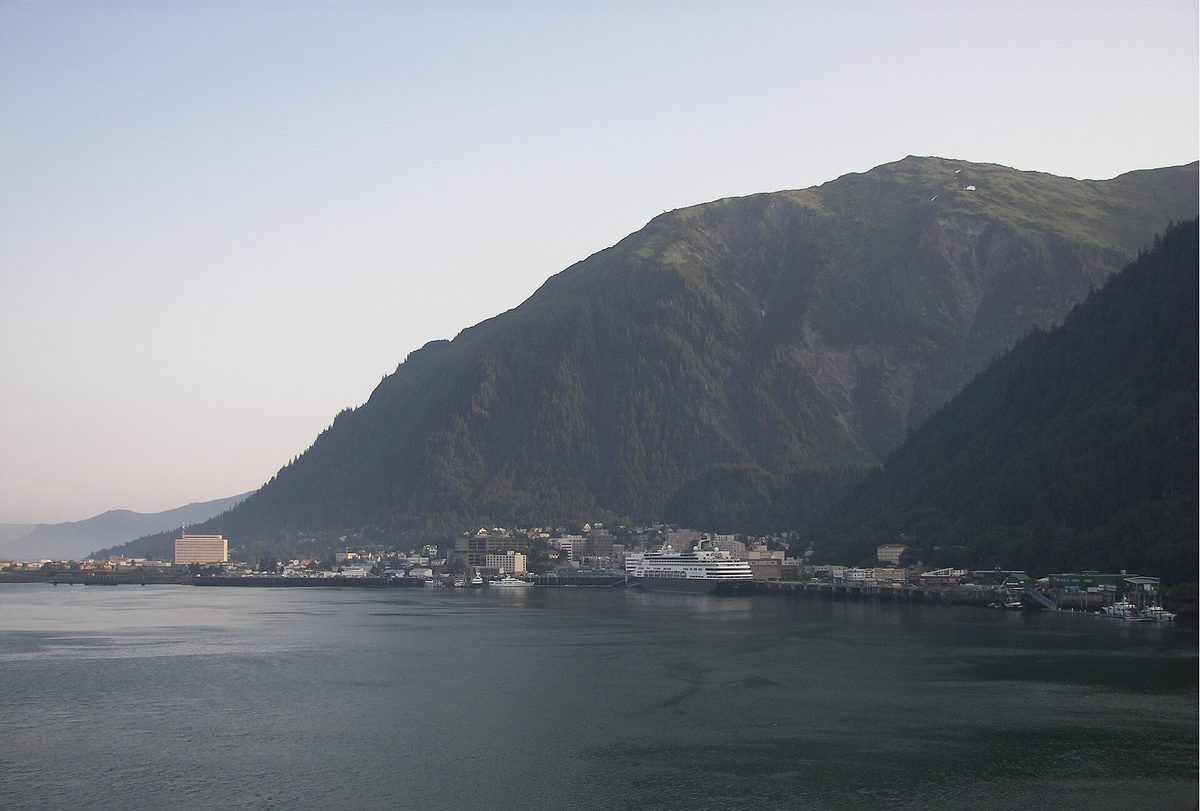
- Describe the photo precisely: what is behind the city, what is in front of it, where was the photographer?
- Read the fact: Juneau cannot be reached by road from the rest of North America. You go there by plane or by boat. Anchorage is much bigger. Imagine two reasons why Juneau is still the capital.
- Check: the capital of Alaska was moved from Sitka to Juneau in 1906. Would you like to live in a capital without a road to the outside world?
- In the background, there is… In the foreground…
- The photo must have been taken from…
- Juneau may have been chosen because…
- I would / wouldn’t like to live there because…
Answer key
1. Behind the city, there is Mount Juneau; in front of it, the water of Gastineau Channel; the photographer was on a boat. 2. Open answers: tradition, the cost of moving the government, the history of the gold rush. 3. Open answer.
Grammar: the passive 15 min
Rewrite the sentences in the passive, then say why the passive is useful in history texts (part 4 in the Language tab).
- George Washington chose the site in 1791.
- Congress moved the government to Washington in 1800.
- Architects planned the city on the Potomac.
Answer key
- The site was chosen (by George Washington) in 1791.
- The government was moved to Washington in 1800.
- The city was planned on the Potomac.
The passive puts the focus on the place or the event, not on the person.
Homework
Write a short paragraph (80 to 100 words): “Why was Washington, D.C. built?” Use at least three verbs in the passive and two connectors (as a result, however, whereas).
Session 4: Capitals by Compromise
Become an expert on one Commonwealth capital and explain it to others.
Recap
Last session: Washington, D.C. and Juneau.
- Why was the US capital built on the Potomac River?
- Put in the passive: They chose the site in 1791.
- How can you get to Juneau?
Answer key
- Because of the deal of 1790 between the North and the South.
- The site was chosen in 1791.
- By plane or by boat: there is no road from the rest of North America.
Jigsaw: how it works 5 min
- Expert groups (20 min). Each group reads one country card below and fills its line of the grid. Keep only five key words on a card.
- Home groups (20 min). New groups of six, one expert per country. Each expert explains the case in one minute, without reading, with the five key words. The others complete the grid.
- Whole class (10 min). What do the six stories have in common?
- In my country, the capital is…, whereas the biggest city is…
- It was chosen in… by…
- The main reason was that…
- In a nutshell, it was a compromise between… and…
Expert card: Canada: a Queen chooses a timber town
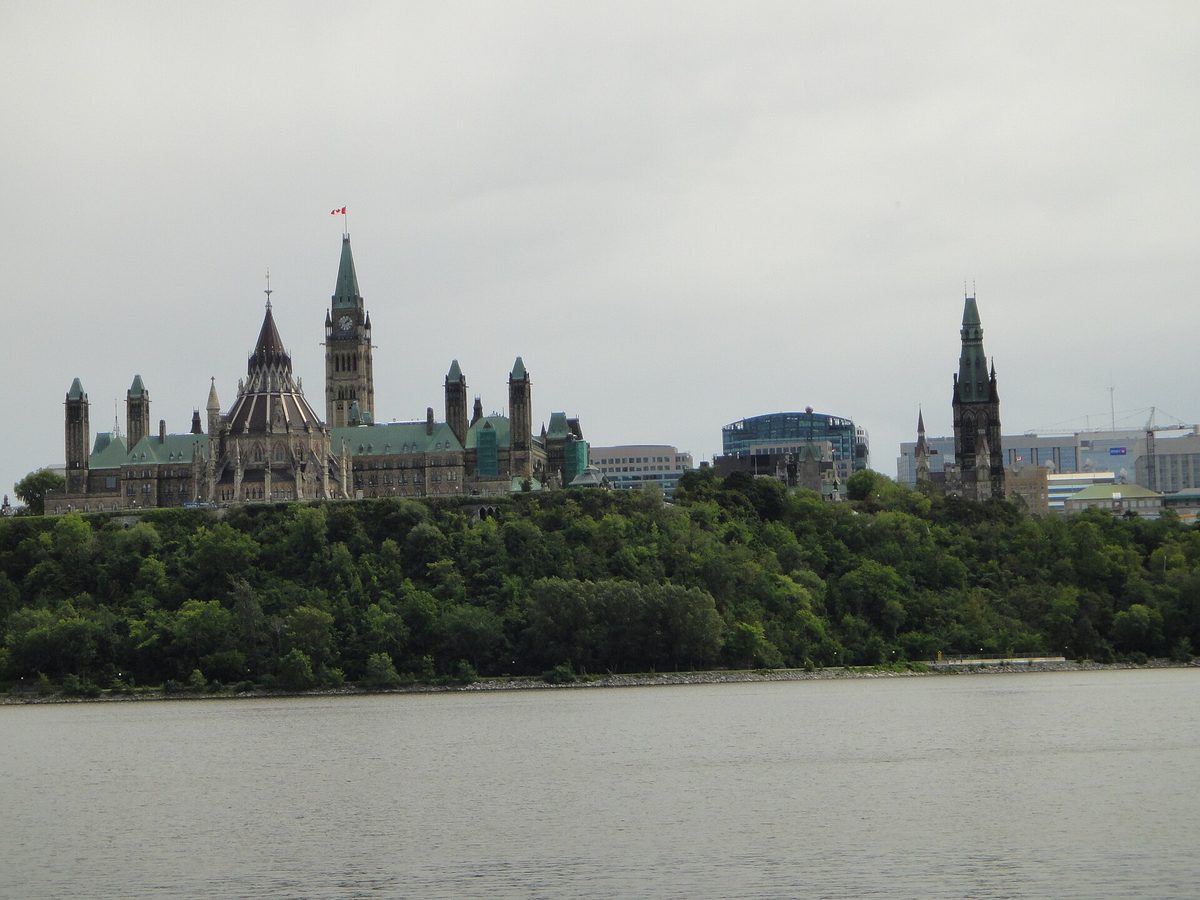
In the 1850s, the Province of Canada had no permanent capital. Parliament moved between Toronto, Kingston, Montreal and Quebec City, and every city wanted to keep it. In the end, the politicians asked Queen Victoria to decide.
On 31 December 1857, she chose Ottawa, a small timber town on the Ottawa River. The choice was a compromise: Ottawa stood on the border between Canada West, where most people spoke English, and Canada East, where most people spoke French. It was also further from the border with the United States, which made it easier to defend.
Today Toronto is by far the biggest city in Canada, but Parliament Hill, above the Ottawa River, is the heart of political life. The trap exists in the provinces too: the capital of British Columbia is Victoria, not Vancouver, and the capital of Quebec is Quebec City, not Montreal.
Expert card: Australia: a capital between two rivals
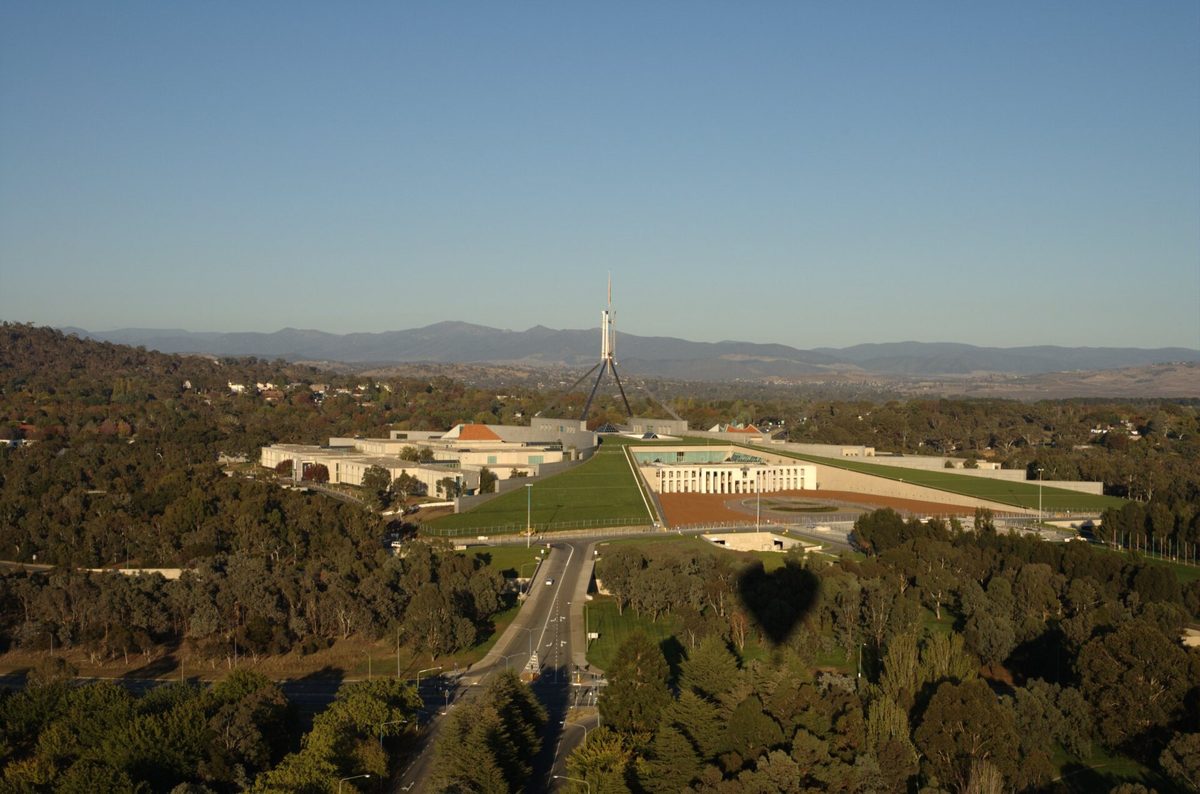
On 1 January 1901, six British colonies became one country, the Commonwealth of Australia. But which city would be the capital? Sydney and Melbourne, the two biggest cities, were rivals, and neither wanted the other one to win.
The Constitution found a compromise: the capital had to be in New South Wales, the state of Sydney, but at least 100 miles (about 160 km) away from Sydney. Until then, Parliament would sit in Melbourne. The first Parliament opened in Melbourne on 9 May 1901.
The site of Canberra was chosen in 1908, and the city was named on 12 March 1913. It was designed by Walter Burley Griffin, an American architect from Chicago, with his wife Marion Mahony Griffin. Parliament finally met in Canberra on 9 May 1927.
Expert card: New Zealand: chosen by three Australians
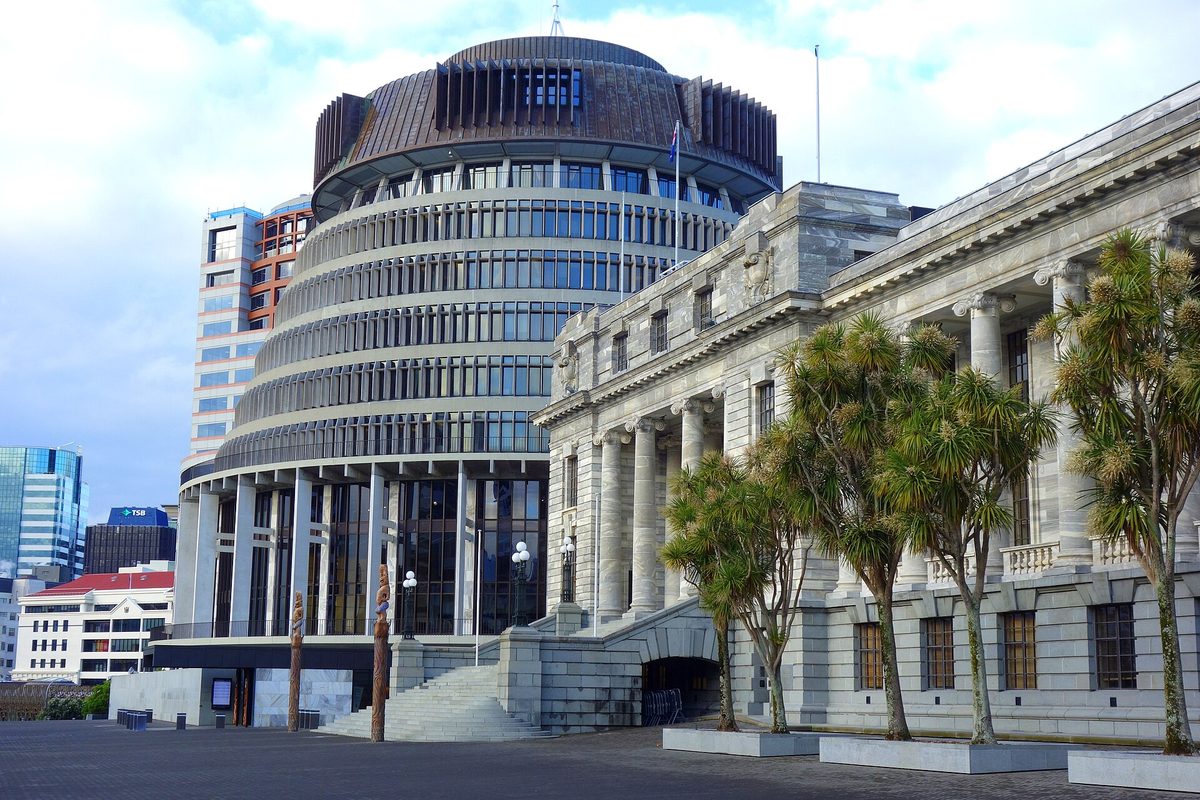
From 1841, the capital of New Zealand was Auckland, in the north of the North Island. For politicians from the South Island, the trip to Parliament meant a long and sometimes dangerous voyage by sea.
In 1863, Parliament decided to move the seat of government to a central place on the shores of Cook Strait, the stretch of sea between the two islands. To avoid local quarrels, the choice was left to three commissioners from Australia. In 1864, they unanimously chose Wellington, for its central position and its excellent harbour.
Parliament met in Wellington for the first time on 26 July 1865. Auckland protested, but it lost. Today Auckland is still the biggest city in the country, while Wellington is home to Parliament and to the Beehive, the round building where the government works.
Expert card: South Africa: three capitals for one country
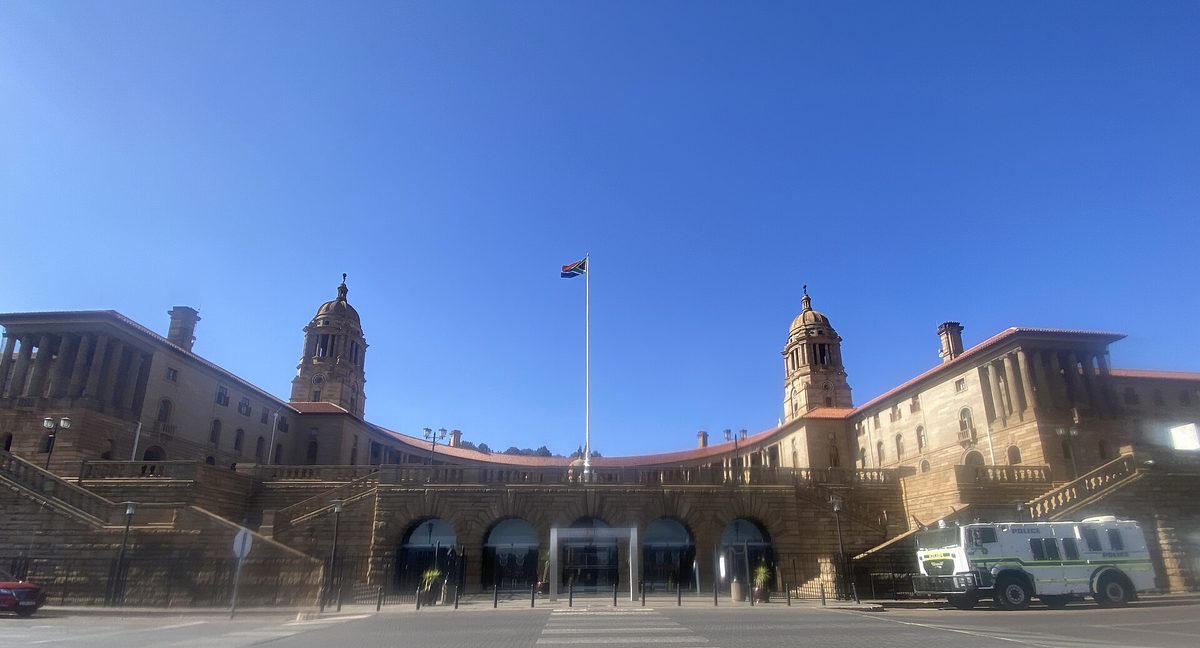
In 1910, four British colonies joined together to form the Union of South Africa. Each one wanted to host the new government, so the leaders agreed on a compromise that still exists today: the country has three capitals.
Pretoria is the seat of the executive: the President and the government work in the Union Buildings, designed by the British architect Herbert Baker and completed in 1913. Cape Town is the seat of Parliament. Bloemfontein is home to the Supreme Court of Appeal.
Yet none of them is the biggest city. Johannesburg is, because it grew very fast after gold was discovered there in 1886. The Union Buildings are also a symbol of change: on 10 May 1994, Nelson Mandela was sworn in there as President, after the first elections in which all South Africans could vote.
Expert card: India: a new city for an old capital
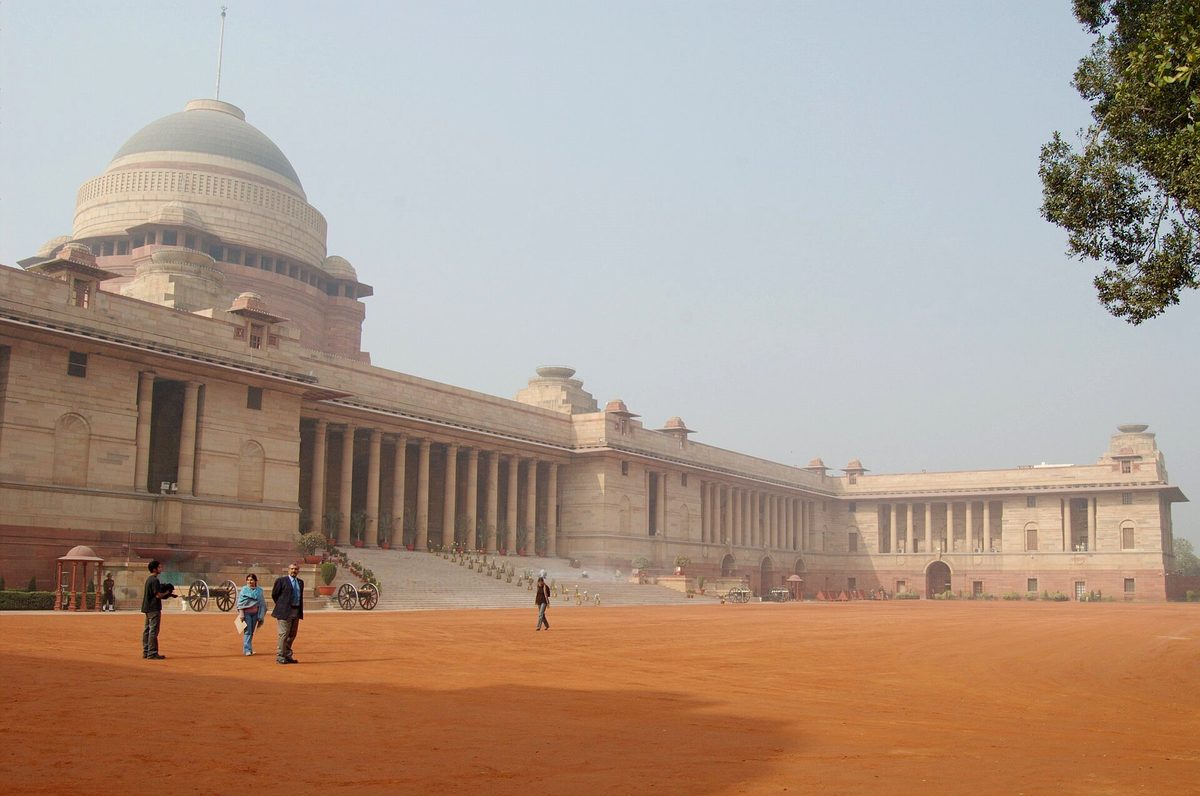
For more than a century, Calcutta (today Kolkata), a huge port city in the east, was the capital of British India. On 12 December 1911, at a great ceremony called the Delhi Durbar, King George V announced that the capital would move to Delhi, a city that had been the seat of earlier empires, such as the Mughal Empire.
A new city, New Delhi, was planned next to the old one by two British architects, Edwin Lutyens and Herbert Baker. It was inaugurated in February 1931. The Viceroy’s House, completed in 1929, was the home of the British ruler of India.
When India became independent in 1947, it kept New Delhi as its capital, and the Viceroy’s House later became Rashtrapati Bhavan, the official home of the President of India. Today Mumbai, on the west coast, is known as the country’s financial capital.
Expert card: Nigeria: a capital built from scratch
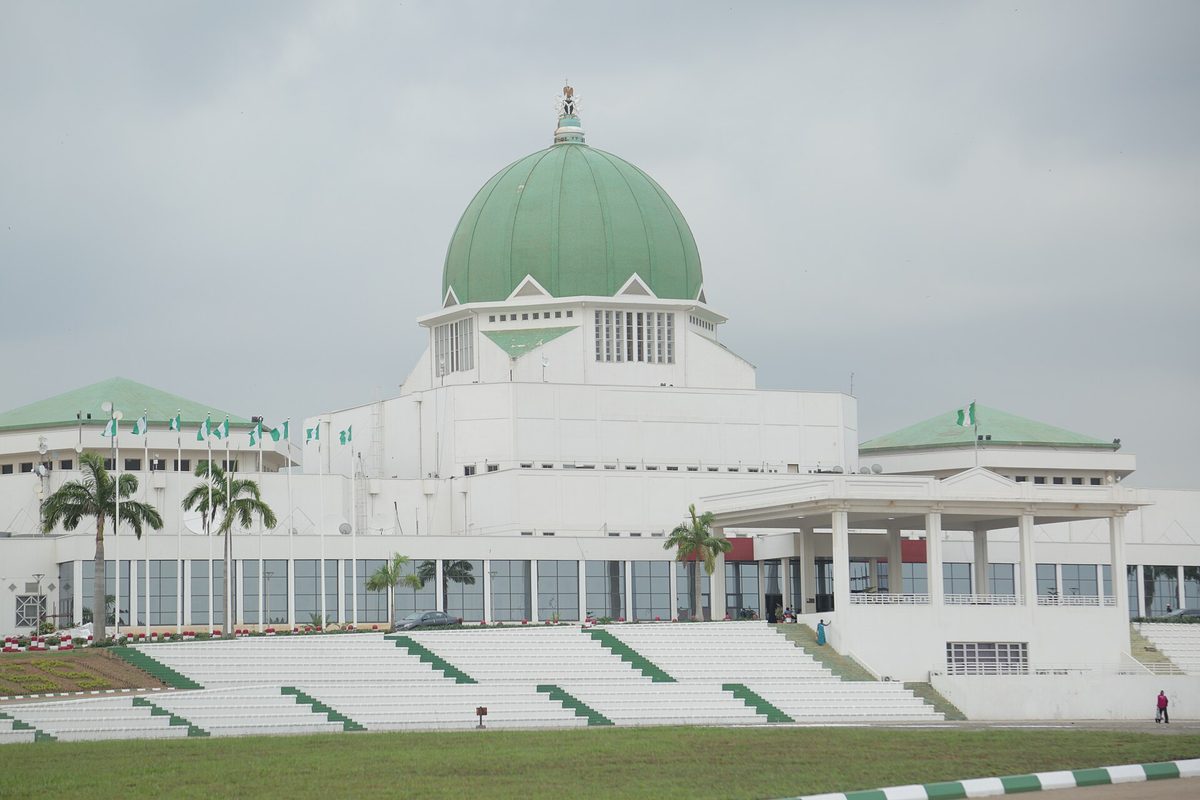
When Nigeria became independent on 1 October 1960, Lagos was its capital. Lagos is a port on the Atlantic coast, in the south-west. It was growing very fast and it was crowded; it was also the capital of Lagos State.
In 1975, the government asked a panel led by Justice Akinola Aguda to find a new site. The panel recommended a place in the centre of the country, sparsely populated and easy to reach from every region. It was also seen as neutral ground, not linked to one of the country’s largest ethnic groups.
In February 1976, a decree created the Federal Capital Territory, and a brand-new city, Abuja, was built from scratch. The government officially moved there on 12 December 1991. Today Lagos is still the biggest city in Nigeria and one of the biggest in Africa.
Home group grid 20 min
| Country | Capital(s) / biggest city | When? | Who decided? | Why? (key reason) |
|---|---|---|---|---|
| Canada | ||||
| Australia | ||||
| New Zealand | ||||
| South Africa | ||||
| India | ||||
| Nigeria |
Answer key
| Country | Capital(s) / biggest city | When? | Who decided? | Why? |
|---|---|---|---|---|
| Canada | Ottawa / Toronto | 31 December 1857 | Queen Victoria | A compromise between English-speaking and French-speaking Canada, far from the US border |
| Australia | Canberra / Sydney | Chosen in 1908, Parliament there from 9 May 1927 | The Australian Parliament, following the Constitution | A compromise between Sydney and Melbourne |
| New Zealand | Wellington / Auckland | 1864 (choice), 1865 (move) | Three commissioners from Australia | A central position between the two islands and an excellent harbour |
| South Africa | Pretoria, Cape Town and Bloemfontein / Johannesburg | 1910 | The leaders of four former British colonies | A compromise: each region got part of the power |
| India | New Delhi / Mumbai | Announced on 12 December 1911, inaugurated in 1931 | King George V, then independent India kept it | Delhi was the historic seat of earlier empires; the British wanted a new imperial capital |
| Nigeria | Abuja / Lagos | Decided in 1976, government moved on 12 December 1991 | The Nigerian government, after the Aguda panel | A central, neutral place, easy to reach from every region |
Whole class: what do the stories have in common? 10 min
Find at least three points that several stories share.
Possible answers
- The capital is not the biggest city.
- It is often a compromise between rival cities or regions (Canada, Australia, South Africa).
- A central position matters (New Zealand, Nigeria).
- Several capitals were chosen or built during the British Empire and kept after independence (India).
- Some cities were built from scratch (Canberra, New Delhi, Abuja), like Washington, D.C.
Homework
Finish the grid. Then record a one-minute audio message for a student who was absent: explain the story of your expert country, with three key dates and one comparison.
Session 5: One Commonwealth, Many Capitals
Understand what the Commonwealth is and what its capitals inherited.
Recap
Last session: capitals by compromise.
- Why was Canberra built?
- Who chose Wellington, and why?
- When did the Nigerian government move to Abuja?
Answer key
- As a compromise between Sydney and Melbourne, the two rival cities.
- Three commissioners from Australia, for its central position and its excellent harbour.
- On 12 December 1991.
Read: what is the Commonwealth? 20 min
The Commonwealth of Nations is a voluntary association of 56 independent and equal countries. About 2.7 billion people, roughly a third of the world’s population, live in Commonwealth countries.
The modern Commonwealth was born in 1949 with the London Declaration, when it had only eight members. Most members used to be part of the British Empire, but not all of them: Mozambique, Rwanda, Gabon and Togo were never British, and they chose to join.
Some members, like Canada, Australia and New Zealand, still have King Charles III as their head of state. Others, like India, Nigeria and South Africa, are republics with their own presidents. King Charles III is the Head of the Commonwealth, a symbolic role. The members share the English language, similar legal and parliamentary traditions, and sporting events such as the Commonwealth Games.
And the United States? The Thirteen Colonies declared their independence in 1776, more than 170 years before the modern Commonwealth was created. The USA has never been a member.
True or false? Correct the false sentences.
- All Commonwealth members used to be British colonies.
- King Charles III is the head of state of every member.
- The USA left the Commonwealth in 1776.
- The modern Commonwealth was born in 1949.
- Members share sporting events.
Answer key
- False: Mozambique, Rwanda, Gabon and Togo were never British.
- False: India, Nigeria and South Africa are republics with their own presidents.
- False: the USA became independent in 1776, long before the modern Commonwealth existed; it has never been a member.
- True: with the London Declaration.
- True: the Commonwealth Games.
Heritage: permanence or break? 20 min
For each capital, decide: is it mainly a sign of permanence (a heritage from the British Empire that was kept) or of a break (a new start after independence)? Some cases are both. Justify with a fact from Session 4.
| Capital | Permanence, break, or both? | Your fact |
|---|---|---|
| New Delhi | ||
| Abuja | ||
| Pretoria (Union Buildings) | ||
| Canberra | ||
| Wellington |
- New Delhi is a sign of permanence, since…
- Abuja rather stands for a break: …
- Pretoria is both: the Union Buildings were built…, yet in 1994…
Possible answers
- New Delhi: permanence. It was planned by British architects and inaugurated in 1931; independent India kept it and the Viceroy’s House became the home of the President.
- Abuja: break. It was decided in 1976, sixteen years after independence, to unite the country with a central, neutral capital.
- Pretoria: both. The Union Buildings were completed in 1913 under British rule, yet Nelson Mandela was sworn in there in 1994.
- Canberra: both. It was created by the new Australian nation, but the opening of the first Parliament was led by a British prince and the King is still head of state.
- Wellington: permanence. It was chosen in 1864, in colonial times, and it is still the capital.
Grammar: used to and whose 15 min
- Lagos ______ (be) the capital of Nigeria.
- Parliament ______ (meet) in Melbourne.
- Wellington is a city ______ harbour is excellent.
- Walter Burley Griffin was an architect ______ wife also designed Canberra.
Answer key
- used to be
- used to meet
- whose
- whose
Homework
Choose one capital from the table. Write 100 to 120 words: is it a sign of permanence or of a break? Use used to, whose and two connectors.
Session 6: Debate
Defend a point of view and sum up a debate.
Recap
Last session: the Commonwealth.
- How many member countries does the Commonwealth have?
- Why is the USA not a member?
- Give an example of a capital that shows a break with the colonial past.
Answer key
- 56.
- It became independent in 1776, long before the modern Commonwealth was created in 1949, and it never joined.
- Abuja.
The question 5 min
Should a capital be the biggest city?
Roles: one chair, two teams (for and against), two mediators who take notes and sum up both sides at the end. Each team gets the argument cards (Cards tab) and adds two arguments of its own, with an example from the unit.
Preparing the arguments 15 min
Read the cards, choose your three best arguments and find an example for each one (Washington, D.C., Canberra, Abuja, Wellington, Pretoria, New Delhi, Ottawa…).
| For: the capital should be the biggest city | Against: a smaller or new capital is better |
|---|---|
| A big city already has airports, roads and hotels: it is easy for everybody to come. | A capital in the centre is fairer for all the regions: think of Abuja or Wellington. |
| Business, media and government in the same place save time and money. | A smaller capital keeps political power away from business power. |
| Building a new capital costs a fortune: Abuja was built from scratch over many years. | A new capital can avoid choosing between two rival cities, like Sydney and Melbourne. |
| Ambassadors and international organisations prefer a city that the world knows. | Moving government jobs out of a crowded city can reduce traffic and housing problems. |
- I’ve got mixed feelings about…
- Moreover, …
- As a result, …
- Whereas big cities…, smaller capitals…
- Take the example of…
- I see your point, but…
- That may be true; however, …
The debate 20 min
Each speaker talks for one minute, then the other team answers. Use a few key words, not full sentences. The chair gives the floor and keeps the time.
Mediation: sum up 10 min
The two mediators sum up both sides in one minute each, without giving their own opinion. Then the class votes.
- On the one hand, the first team argued that…
- On the other hand, the second team pointed out that…
- Both teams agreed that…
Homework
Write your own opinion (120 to 150 words): “Should a capital be the biggest city?” Give two arguments with examples from the unit and one counter-argument. Use at least four connectors.
Session 7: The Capital Trap Game
Play, revise and prepare the final task.
Recap
Last session: the debate.
- Give one argument for choosing the biggest city as the capital.
- Give one argument against.
- Complete: I see your point, ___ …
Answer key
- It already has airports, roads and hotels; business, media and government are in the same place.
- A central capital is fairer for all regions; it keeps political power away from business power.
- but
The Capital Trap Game 20 min
Play in teams. Choose a round. A correct capital: 2 points. A team that falls into the trap answers a challenge: say two facts about the trap city and explain why it is not the capital.
Guess the capital 15 min
One student reads the clues one by one. The fewer clues you need, the more points you win (4, 3, 2, 1). Try it with the whole class, then play in pairs with the clue cards (Cards tab).
Preparing the final task 20 min
Choose your option (Final task tab) and fill the plan: one US capital, one Commonwealth capital, the story of each choice, a comparison, your opinion. Five key words only for the oral.
| Part | My notes (key words) |
|---|---|
| Introduction: the question | |
| Capital 1 (USA): when, who, why | |
| Capital 2 (Commonwealth): when, who, why | |
| Comparison | |
| My opinion and conclusion |
Homework
Prepare your final task. For the oral, rehearse aloud twice with a timer and reduce your notes to five key words. For the article, write a first draft.
Final Task
Assessment session · 55 minutes · graded out of 20 · LVA target: B1+
Option A: oral presentation (3 minutes + 2 minutes of questions)
You are invited to a podcast for English learners called Capital Stories. Compare one US capital (Washington, D.C., or a state capital) and one Commonwealth capital: when and why it was chosen, who decided, what it says about the country. End with your answer to the question: Is the biggest city always the capital, and should it be?
- Speak from a card with five key words only.
- Use at least two complex comparatives and two verbs in the passive.
- Pronounce the names correctly.
- Today I’m going to compare… and…
- … was chosen in… by…, mainly because…
- Unlike…, … was built from scratch.
- To sum up, I believe that…
Option B: article for a school web magazine (180 to 220 words)
Write an article titled Is the biggest city always the capital? Compare one US capital and one Commonwealth capital, explain the reasons for each choice and give your opinion. Use paragraphs and a range of connectors.
Model article
Is the biggest city always the capital?
If you ask people to name the capital of Australia, many will say Sydney. They are wrong, and the mistake tells a story. In 1901, Sydney and Melbourne were rivals, and neither accepted that the other one should win. As a result, a brand-new capital, Canberra, was chosen in 1908 and Parliament moved there in 1927.
The United States made a similar choice more than a century earlier. In 1790, the North and the South agreed on a deal: the capital would be built on the Potomac River. Today Washington, D.C. is nowhere near as big as New York City: with 8.8 million inhabitants, New York City is more than twelve times as big.
Moreover, these capitals were not chosen by chance. Their location was a political message: a compromise between rivals and a place that belonged to nobody in particular.
In my opinion, a capital does not need to be the biggest city. Whereas big cities attract business, a smaller capital can be fairer for all the regions. However, a new capital costs a fortune, so the choice must be made carefully.
About 210 words. Figures: 2020 United States census.
Assessment grid: oral (option A)
| Criterion | A2+ | B1 | B1+ (target) |
|---|---|---|---|
| Content /5 | 2: one capital explained, few facts | 3 to 4: two capitals, dates and reasons, a simple comparison | 5: two capitals, precise facts, a clear comparison and a justified opinion |
| Range of language /4 | 1 to 2: simple words, few structures | 3: lexicon of the unit, comparatives, passive | 4: varied lexicon, complex comparatives, passive, used to, whose |
| Accuracy /4 | 1 to 2: mistakes sometimes block understanding | 3: some mistakes, the message is clear | 4: few mistakes, complex sentences mostly correct |
| Fluency and pronunciation /3 | 1: reads the notes, many hesitations | 2: speaks with notes, names mostly well pronounced | 3: speaks from five key words, stress and -ate endings correct |
| Interaction /4 | 1 to 2: short answers with help | 3: answers and gives reasons | 4: develops, reacts and defends a point of view |
Assessment grid: writing (option B)
| Criterion | A2+ | B1 | B1+ (target) |
|---|---|---|---|
| Task and content /6 | 2: one capital, few facts, under 150 words | 3 to 4: two capitals with dates and reasons, a simple opinion | 5 to 6: two capitals, precise facts, a clear comparison and a justified opinion, 180 to 220 words |
| Range of language /5 | 1 to 2: simple words and structures | 3: lexicon of the unit, comparatives, passive | 4 to 5: varied lexicon, complex comparatives, passive, used to, whose |
| Accuracy /5 | 1 to 2: mistakes sometimes block understanding | 3: some mistakes, the message is clear | 4 to 5: few mistakes, complex sentences mostly correct |
| Organisation /4 | 1: a list of sentences | 2 to 3: paragraphs, simple connectors | 4: title, introduction, paragraphs, conclusion, varied connectors (moreover, as a result, whereas) |
Student checklist
- I compare one US capital and one Commonwealth capital.
- I give dates, the people who decided and the reasons.
- I use complex comparatives, the passive and connectors.
- I give and justify my opinion.
- For the oral: I speak from five key words and I pronounce the names correctly.
Language Focus
1. Vocabulary: places and power
| Word | Meaning |
|---|---|
| the seat of government | the place where the government and Parliament work |
| a federal district / territory | land that belongs to the whole country, not to one state |
| to relocate / a relocation | to move something (a capital, a company) to a new place |
| a compromise | an agreement where each side accepts less than it wanted |
| a rival | a person or a city that competes with another one |
| neutral ground | a place that does not belong to one side |
| to be built from scratch | to be built from nothing, on an empty site |
| sparsely populated / crowded | with few people / with too many people |
| a harbour, a strait, the banks of a river | a safe place for ships; a narrow stretch of sea; the land along a river |
| legacy, heritage, to inherit (from) | what the past leaves to the present (BO 2025 lexicon: l’héritage) |
| federalism, ties, economic bonds | BO 2025 lexicon for the monarchy and the Commonwealth |
| fragmented / a facet | divided into many separate parts / one side of something that has many sides |
| to hold together | to keep separate parts united |
Locating precisely
not far from, at the far end of, halfway between, on the banks of, off the coast of, about 160 km from
2. Lexicon check
Complete with: compromise, from scratch, seat, rivals, crowded, harbour.
Sydney and Melbourne were ______, so Australia chose a ______: a new capital. Abuja was built ______ because Lagos was too ______. Wellington was chosen for its central position and its ______. Pretoria is the ______ of the South African government.
Answer key
rivals, compromise, from scratch, crowded, harbour, seat
3. Grammar: complex comparatives
| Structure | Example |
|---|---|
| twice as big as / X times as big as | Houston is more than twice as big as Austin. |
| by far the biggest | Toronto is by far the biggest city in Canada. |
| nowhere near as big as | Albany is nowhere near as big as New York City. |
| much / far smaller than | Juneau is much smaller than Anchorage. |
| the second biggest | Melbourne and Sydney are the two biggest cities in Australia. |
| the more…, the more… | The bigger the city, the more expensive the housing. |
Exercise 1
- Los Angeles (3.9 million) / Sacramento (525,000): times as big as
- Toronto / the other Canadian cities: by far
- Abuja / Lagos: nowhere near as… as
- The bigger the capital / the higher the rents
Answer key
- Los Angeles is more than seven times as big as Sacramento.
- Toronto is by far the biggest city in Canada.
- Abuja is nowhere near as big as Lagos.
- The bigger the capital, the higher the rents.
4. Grammar: the passive
Form: be + past participle. Use it when the result matters more than the person: Canberra was named in 1913. The Union Buildings were completed in 1913. New Delhi was inaugurated in 1931.
Exercise 2
- Queen Victoria chose Ottawa in 1857.
- Two British architects planned New Delhi.
- They discovered gold near Johannesburg in 1886.
- A decree created the Federal Capital Territory in 1976.
Answer key
- Ottawa was chosen (by Queen Victoria) in 1857.
- New Delhi was planned by two British architects.
- Gold was discovered near Johannesburg in 1886.
- The Federal Capital Territory was created (by a decree) in 1976.
5. Grammar: used to, whose and connectors
Used to + base verb: a past situation that is no longer true. Auckland used to be the capital.
Whose: possession in a relative clause. Canberra is a city whose name probably comes from an Aboriginal word.
Connectors: moreover, besides (adding); as a result, consequently (consequence); whereas, however, yet (contrast).
Exercise 3
- Calcutta ______ the capital of British India.
- Johannesburg is a city ______ wealth comes from gold.
- Lagos was crowded. ______, the government decided to build Abuja.
- Toronto is the biggest city, ______ Ottawa is the capital.
Answer key
- used to be
- whose
- As a result / Consequently
- whereas
6. Pronunciation
Stress: CANberra (on 12 March 1913, Lady Denman said: “the accent is on the Can”), WELlington, aBUja, OTtawa, HOUSton. Silent letters: Illinoi(s), Arkansa(s).
Cut-out Cards
Print this tab, then cut along the dotted lines.
A cards: memory, capital or trap?
Match each place with its capital. The red cards are traps.
B cards: debate arguments
C cards: guess the capital
- It is on a river with the same name as the city.
- It was chosen by a queen in 1857.
- It stands between English-speaking and French-speaking regions.
- It is the capital of Canada, not Toronto.
- It did not exist in 1901.
- It is about 100 miles from a famous harbour city.
- Two American architects from Chicago designed it.
- It is the capital of Australia, not Sydney.
- It is on the shores of a strait.
- Three commissioners from another country chose it.
- Its government works in the Beehive.
- It is the capital of New Zealand, not Auckland.
- Its construction started at the end of the 1970s, on an almost empty site.
- It is in the centre of its country.
- The government moved there in December 1991.
- It is the capital of Nigeria, not Lagos.
- It is one of three capitals.
- Herbert Baker designed its most famous government building.
- Nelson Mandela was sworn in there in 1994.
- It is the seat of the South African government.
- It was inaugurated in 1931.
- Two British architects planned it.
- A king announced its creation at a great ceremony in 1911.
- It is the capital of India.
- It is not part of any state.
- It is on the Potomac River.
- Congress met there for the first time in 1800.
- It is the capital of the USA.
- You cannot drive there from the rest of North America.
- It is named after a French-Canadian gold miner.
- It is at the foot of a mountain, by the sea.
- It is the capital of Alaska, not Anchorage.
Resources
Videos
Each link opens a YouTube search. Choose a video of 2 to 5 minutes, in English, and check it before class.
Sources of the facts
All the facts of the expert cards come from these official or reference sources.
Optional extension: Route 66
For classes that want more time on transport in the USA. Route 66 goes from Chicago to Santa Monica, near Los Angeles. It is about 3,900 km long (2,448 miles), it opened in 1926 and it crosses 8 states: Illinois, Missouri, Kansas, Oklahoma, Texas, New Mexico, Arizona, California.
The Springfield trap: Route 66 goes through Springfield, Illinois, and Springfield, Missouri. Which one is a capital?
Answer key
Springfield, Illinois. The capital of Missouri is Jefferson City. Oklahoma City, also on the road, is both the biggest city and the capital of Oklahoma.
Task: plan a road trip on Route 66 with two state capitals and tell it in the past. The full Route 66 lesson is in the bac pro version of the unit.
Image credits
The engraving at the top is in the public domain. Every photo is in the public domain or under a Creative Commons licence: each caption gives the author, the licence and a link to the original file.
Professeur
Pour le professeur
Cette version reprend la séquence de bac pro The Capital Trap et l’élève au niveau B1+ attendu en seconde générale (LVA). Elle associe deux axes du programme d’anglais du lycée général et technologique (arrêté du 5 mai 2025, BO n° 22 du 29 mai 2025) autour d’une problématique commune : Is the biggest city always the capital?
Les États-Unis ne font pas partie du Commonwealth : les séances 1 à 3 relèvent donc de l’axe 4, et l’axe 6, obligatoire, est traité par les capitales du Commonwealth (Canada, Australie, Nouvelle-Zélande, Afrique du Sud, Inde, Nigeria) aux séances 4 et 5.
Chaque séance s’ouvre sur un recap et se termine par des devoirs. Les réponses sont masquées ; le bouton « Teacher mode » les affiche toutes. Une version adaptée suit les mêmes séances et les mêmes objectifs.
Ancrage dans le programme (citations exactes)
| Repère | Texte du BO |
|---|---|
| Niveau visé en seconde | Tableau des niveaux de maîtrise visés à la fin de l’année : LVB A2+, LVA B1+. |
| Traitement des axes | « Cinq axes parmi les six proposés doivent être traités pendant l’année, dont obligatoirement l’axe 6. » « Ils peuvent aussi en associer deux, reliés par une problématique commune, dans une même séquence. » |
| Axe 4. Défis et transitions | « Dans quelle mesure les grands bouleversements écologiques, démographiques et sociaux changent-ils notre rapport à l’espace, à la nature ? » Objet d’étude : « Transports et (re)structuration des espaces » (séances 1 à 3). |
| Axe 6. Les pays du Commonwealth : héritages, unité, diversité | « Quelle place occupe-t-il dans l’aire anglophone ? Comment les pays membres parviennent-ils à y évoluer tout en affirmant leur singularité culturelle ? » Objets d’étude : « De l’empire aux indépendances : transitions postcoloniales » et « Permanence et rupture dans les héritages politiques britanniques » (séances 4 et 5). |
| Ancrage | « les professeurs veillent à ancrer les séances dans la réalité culturelle de la langue enseignée : historique, géographique, sociale, politique, artistique. » |
| Expression B1+ | « Il peut suffisamment bien développer une argumentation pour être compris sans difficulté la plupart du temps en donnant des raisons simples pour justifier un point de vue sur un sujet familier. » Acte langagier : « Exprimer et justifier une opinion en comparant, opposant, pesant le pour et le contre de manière ajustée et en explicitant par des exemples. » (séance 6) |
| Stratégie B1+ à l’oral | « S’entrainer à parler en réduisant le nombre de notes écrites à disposition » (tâche finale, option A). |
| Grammaire B1+ | « Les structures comparatives complexes (twice as much, etc.) » ; « Exprimer l’habitude dans le passé » ; « Utiliser une gamme étendue de connecteurs logiques » ; « Complexifier la phrase à l’aide de pronoms relatifs complexes (exprimer l’appartenance avec whose…) » ; en compréhension : « Reconnaitre des modes ou temps complexes (passif, subjonctif, etc.) ». |
| Phonologie B1+ | « Prononcer correctement le suffixe -ate, prononcé /ɪt/ ou /eɪt/ selon le nombre de syllabes et l’accentuation. » (séance 2) |
| Lexique B1+, la monarchie et le Commonwealth | « federalism, timelessness, economic bonds, ties, partnerships » ; l’héritage : « legacy, to pay tribute, … to inherit (from), inheritance ». |
| Médiation | « En classe de seconde, l’élève devient un partenaire d’interaction capable de prendre des initiatives dans l’échange, de convaincre et de débattre » (puzzle de la séance 4, médiateurs de la séance 6). |
Déroulé (séances de 55 minutes)
| Séance | Titre | Contenu |
|---|---|---|
| 1 | Water first, cities next | Recap, la gravure du Capitole de Washington en ouverture, lecture, carte des États. Devoirs : se situer avec précision. |
| 2 | The Capital Trap | Recap, Inès, comparatifs complexes, suffixe -ate. Devoirs : exercice 1. |
| 3 | A capital built for a deal | Recap, Washington, D.C. et Juneau, le passif. Devoirs : paragraphe de 80 à 100 mots. |
| 4 | Capitals by compromise | Recap, puzzle de six pays (groupes d’experts puis groupes mixtes), médiation. Devoirs : message audio d’une minute. |
| 5 | One Commonwealth, many capitals | Recap, le Commonwealth (56 pays, États-Unis non membres), permanence ou rupture, used to et whose. Devoirs : 100 à 120 mots. |
| 6 | Debate | Recap, débat guidé avec rôles, connecteurs, synthèse par les médiateurs. Devoirs : opinion de 120 à 150 mots. |
| 7 | The Capital Trap Game | Recap, jeu par équipes (États-Unis et Commonwealth), jeu d’indices, préparation de la tâche finale. Devoirs : préparer la tâche. |
| Éval. | Final task | Option A : exposé de 3 minutes sur cinq mots-clés, puis 2 minutes d’échange. Option B : article de 180 à 220 mots. Grilles A2+, B1, B1+. |
Ce qui est commun avec la version bac pro
La carte des États et de leurs capitales, l’histoire d’Inès, le mystère de Juneau, le principe du jeu « The Capital Trap » et du jeu d’indices, les cartes à découper et l’option Route 66.
Ce qui change
Le niveau (B1+), les documents plus longs et authentiques, le puzzle sur le Commonwealth, le débat, les structures grammaticales du programme de seconde, la tâche finale et la grille A2+, B1, B1+.